
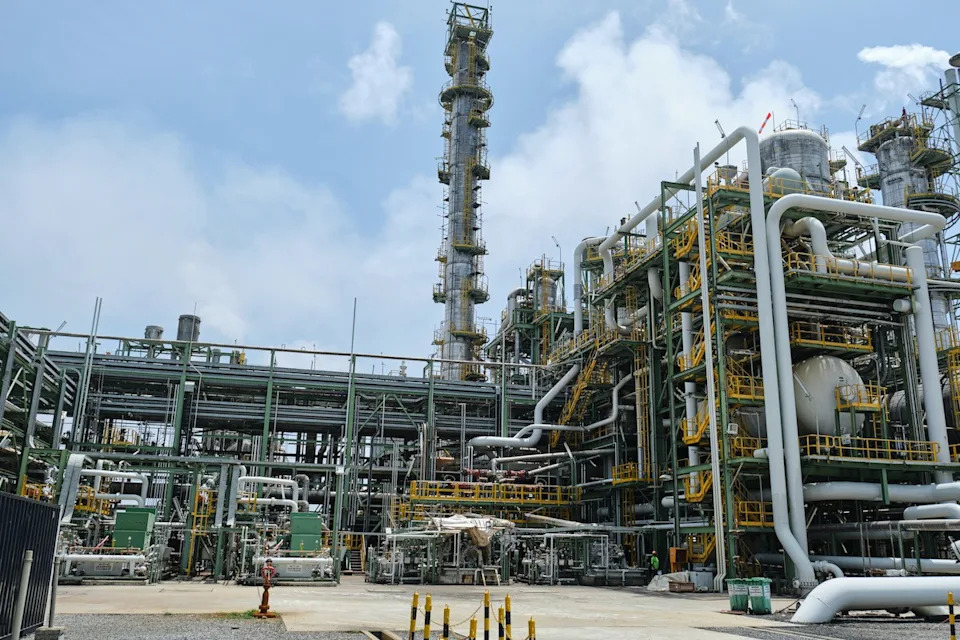
Oil holds gain as Middle East and Russia strikes threaten supply
Global oil prices have maintained recent gains amid escalating geopolitical tensions.
The story
in brief.
What happened, who it affects, and why it landed on our intelligence desk — in plain English, sixty seconds or less.
Global oil prices have maintained recent gains amid escalating geopolitical tensions. Conflicts in the Middle East, combined with ongoing strikes involving Russia, pose significant threats to international energy supply chains. These disruptions create market volatility, prompting traders and analysts to closely monitor potential shortages. For professionals, this development underscores the persistent fragility of global energy markets. The situation highlights how external political instability directly influences commodity pricing and economic stability, requiring organisations to adapt their operational strategies to mitigate risks associated with fluctuating energy costs and uncertain supply availability.
Indicative index of skill mentions in professional job postings for the field this story moves (2019 = 1)
What this means
for your career.
Every headline redistributes opportunity. Here is who this one rewards — and how to be on the right side of it.
You must anticipate increased demand for expertise in risk mitigation and supply chain resilience. Professionals in energy, logistics, and finance should prioritise understanding geopolitical risk assessment. Develop skills in scenario planning to navigate volatile markets effectively. Focus on mastering risk management frameworks to protect your organisation from supply shocks. Consider upskilling in energy market analysis or compliance to remain relevant. A smart professional monitors global news daily, adapting strategies to mitigate operational disruptions. Enhance your ability to communicate complex risks to stakeholders clearly. This environment rewards those who can predict supply chain bottlenecks and propose robust contingency plans. Invest in learning how geopolitical events impact financial modelling. Your career growth depends on demonstrating strategic foresight and operational agility during times of global uncertainty.
For this story, the fields that convert it into pay are Risk Management Strategies, Supply Chain, AI in Energy and Crisis Management — exactly the programmes matched below. The chart shows the indicative salary uplift certified professionals report in each of those fields; every one of them is a click away, from £79, finishing in as few as 20 days.
Indicative ranges from published continuing-education salary studies, by field — each field is a recommended course below
Enrol in these
to benefit.
These programmes position you for exactly this shift — online, self-paced, and finishing with a verifiable certificate you can share the day you pass.
 Best match
Certificate in Risk Management Strategies
 Recommended
Certificate in Supply Chain
 Recommended
Certificate in AI in Energy
 Recommended
Certificate in Crisis Management
Launch pricing shown against standard certificate value. The fee you see today is the fee you lock in.
This briefing is based on reporting by Yahoo Finance Singapore on 14 Oct, 15:22. Read the original coverage →
Read the news. Then outrun it.
Every OnlineUni programme is online, self-paced and from £79 — so a headline today can be your credential this month.