
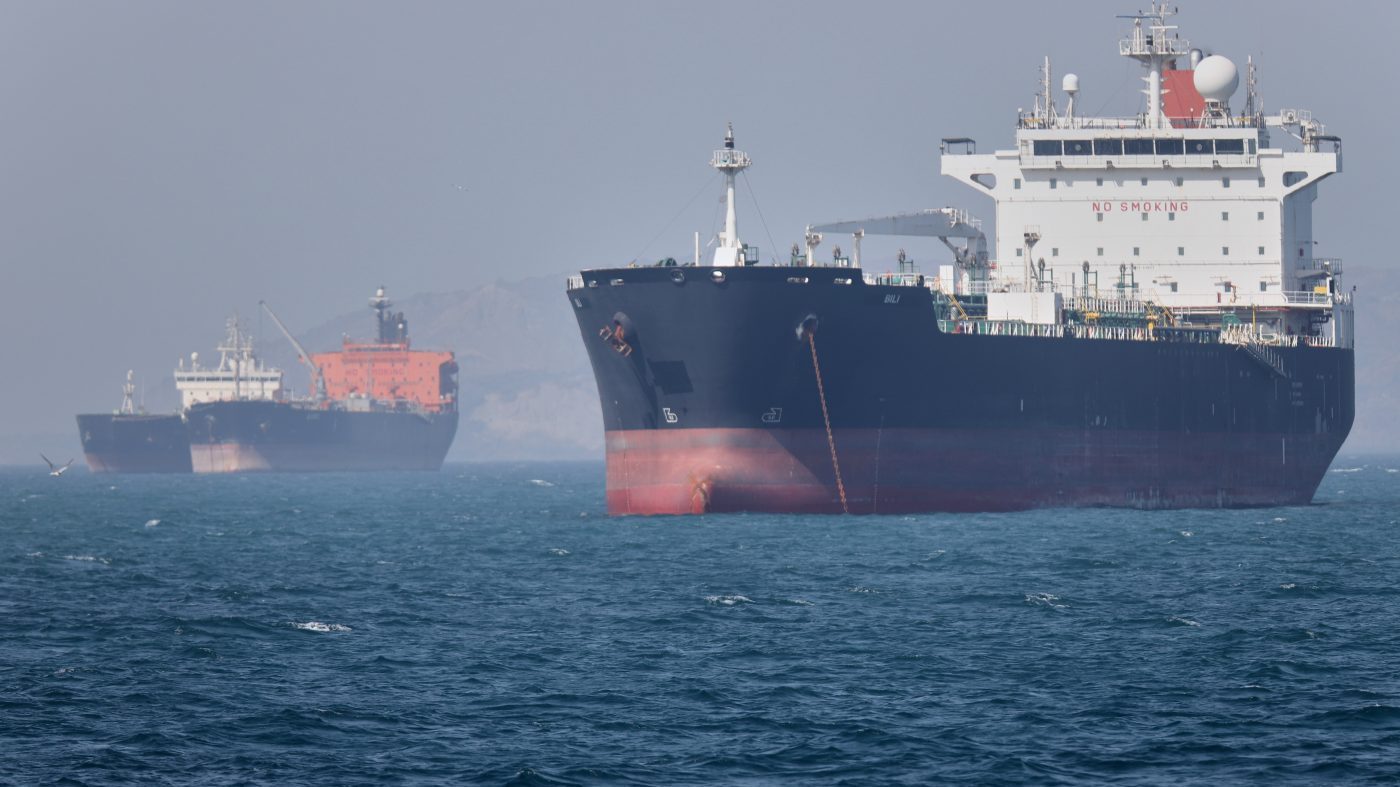
Oil reaches $110 per barrel
Global crude oil prices have surged to one hundred and ten dollars per barrel, marking a significant escalation in energy market volatility.
The story
in brief.
What happened, who it affects, and why it landed on our intelligence desk — in plain English, sixty seconds or less.
Global crude oil prices have surged to one hundred and ten dollars per barrel, marking a significant escalation in energy market volatility. This sharp increase reflects tightening supply constraints and heightened geopolitical tensions affecting major production regions. Analysts suggest that sustained high prices may trigger inflationary pressures across various sectors, particularly those reliant on intensive energy consumption. The development underscores the fragility of global supply chains and the urgent need for organisations to reassess their operational costs and strategic resource allocation in an increasingly unpredictable economic landscape.
Indicative index of skill mentions in professional job postings for the field this story moves (2019 = 1)
What this means
for your career.
Every headline redistributes opportunity. Here is who this one rewards — and how to be on the right side of it.
This price spike directly impacts your career trajectory, particularly if you work in logistics, manufacturing, or energy. Professionals skilled in cost optimisation and supply chain resilience will see heightened demand. You should prioritise upskilling in risk management and financial modelling to help your organisation navigate these volatile costs. If you are in a leadership role, focus on strategic decision-making under uncertainty. Consider specialising in sustainable energy transitions, as companies will accelerate efforts to reduce fossil fuel dependency. Proactively update your CV to highlight any experience in crisis management or efficiency improvements. Network with peers in energy and logistics sectors to understand emerging best practices. This is your moment to demonstrate strategic value by proposing concrete solutions to mitigate rising operational expenses and ensuring business continuity amidst global market disruptions.
For this story, the fields that convert it into pay are Supply Chain, Risk Management Strategies, Financial Modeling and Crisis Management — exactly the programmes matched below. The chart shows the indicative salary uplift certified professionals report in each of those fields; every one of them is a click away, from £79, finishing in as few as 20 days.
Indicative ranges from published continuing-education salary studies, by field — each field is a recommended course below
Enrol in these
to benefit.
These programmes position you for exactly this shift — online, self-paced, and finishing with a verifiable certificate you can share the day you pass.
 Best match
Certificate in Supply Chain
 Recommended
Certificate in Risk Management Strategies
Recommended
Certificate in Financial Modeling
 Recommended
Certificate in Crisis Management
Launch pricing shown against standard certificate value. The fee you see today is the fee you lock in.
This briefing is based on reporting by The Hill on 16 Oct, 21:44. Read the original coverage →
Read the news. Then outrun it.
Every OnlineUni programme is online, self-paced and from £79 — so a headline today can be your credential this month.