
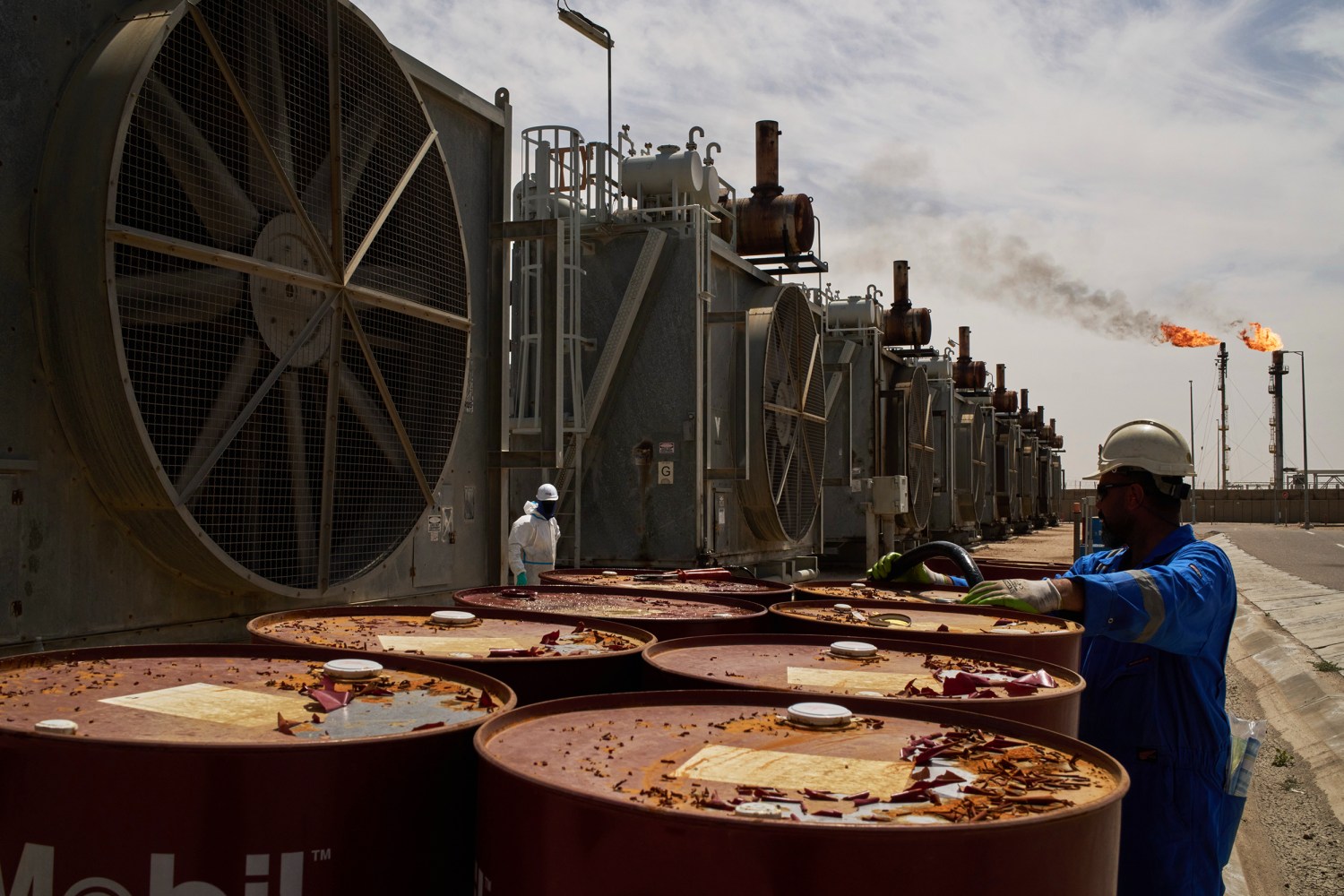
Oil surges past $101 to highest closing level since May as Middle East conflict intensifies
Crude oil prices have climbed above one hundred and one dollars per barrel, marking the highest closing level recorded since May.
The story
in brief.
What happened, who it affects, and why it landed on our intelligence desk — in plain English, sixty seconds or less.
Crude oil prices have climbed above one hundred and one dollars per barrel, marking the highest closing level recorded since May. This surge is directly attributed to escalating tensions within the Middle East, which have heightened global concerns regarding potential supply disruptions. The market reaction reflects immediate anxiety over geopolitical stability and its direct impact on energy availability. For professionals monitoring global economic indicators, this sharp price increase signals significant volatility in commodity markets, potentially influencing inflation rates, transport costs, and broader financial strategies across multiple industries in the coming weeks.
Indicative index of skill mentions in professional job postings for the field this story moves (2019 = 1)
What this means
for your career.
Every headline redistributes opportunity. Here is who this one rewards — and how to be on the right side of it.
You must immediately assess how this volatility affects your sector’s cost structures and risk exposure. Professionals in logistics, manufacturing, and finance should prioritise skills in risk mitigation and strategic planning to navigate supply chain disruptions. Upskilling in crisis management allows you to lead teams through uncertainty with confidence. Additionally, understanding financial modelling becomes crucial for forecasting budget impacts amid rising energy costs. You should monitor geopolitical developments closely and adapt your operational strategies accordingly. Focus on building resilience within your workflows. Consider courses that enhance your ability to analyse market trends and make data-driven decisions under pressure. This proactive approach positions you as a strategic asset capable of steering your organisation through economic turbulence effectively.
For this story, the fields that convert it into pay are Risk Management Strategies, Crisis Management, Financial Modeling and Supply Chain — exactly the programmes matched below. The chart shows the indicative salary uplift certified professionals report in each of those fields; every one of them is a click away, from £79, finishing in as few as 20 days.
Indicative ranges from published continuing-education salary studies, by field — each field is a recommended course below
Enrol in these
to benefit.
These programmes position you for exactly this shift — online, self-paced, and finishing with a verifiable certificate you can share the day you pass.
 Best match
Certificate in Risk Management Strategies
 Recommended
Certificate in Crisis Management
 Recommended
Certificate in Financial Modeling
Recommended
Certificate in Supply Chain
Launch pricing shown against standard certificate value. The fee you see today is the fee you lock in.
This briefing is based on reporting by NBC News on 9 Sep, 19:12. Read the original coverage →
Read the news. Then outrun it.
Every OnlineUni programme is online, self-paced and from £79 — so a headline today can be your credential this month.