
Plasma technology could help plant-based packaging replace plastic
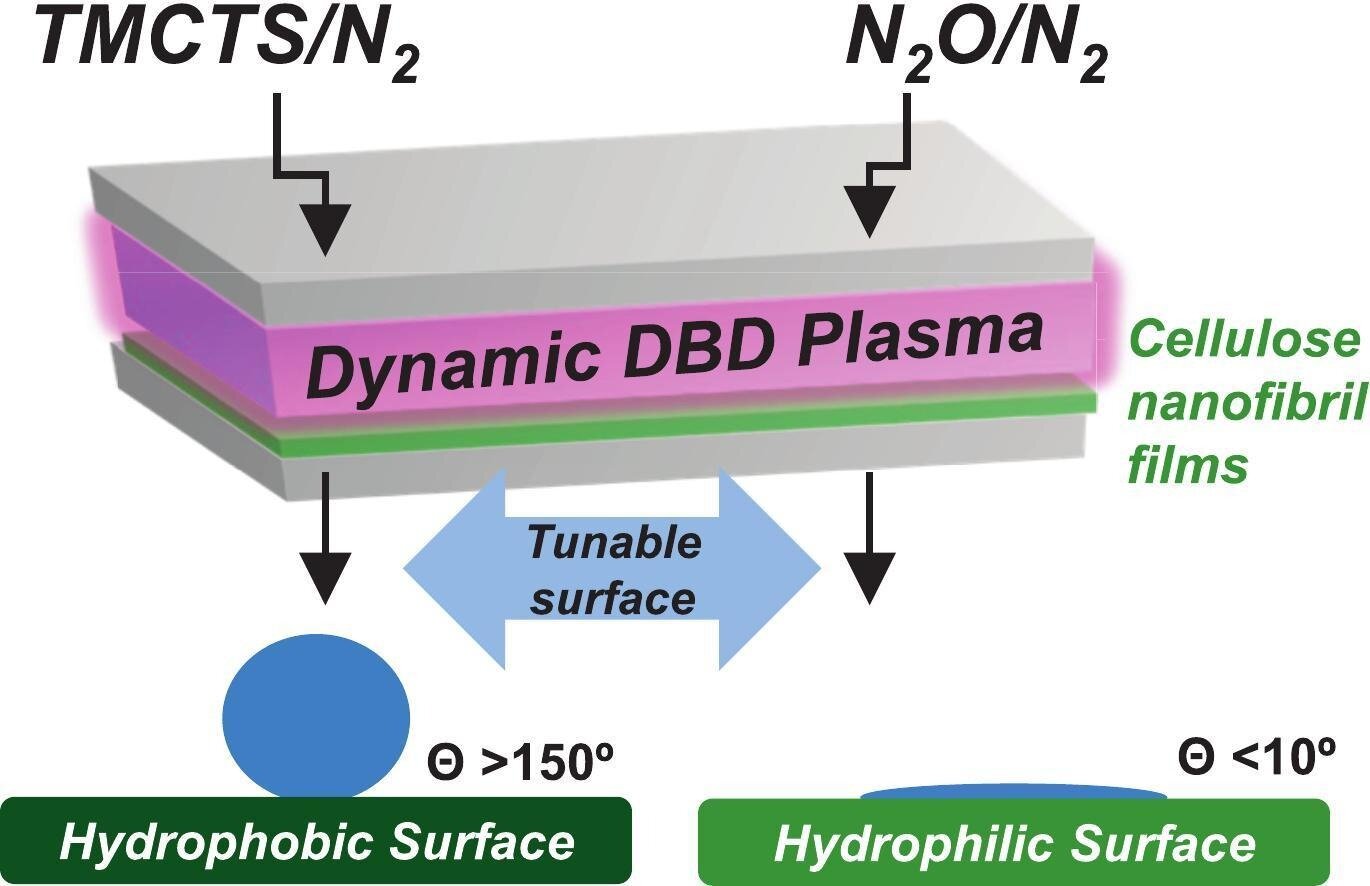
Recent research indicates that plasma technology offers a viable pathway for enhancing plant-based packaging materials, potentially enabling them to effectively replace conventional plastics.
The story
in brief.
What happened, who it affects, and why it landed on our intelligence desk — in plain English, sixty seconds or less.
Recent research indicates that plasma technology offers a viable pathway for enhancing plant-based packaging materials, potentially enabling them to effectively replace conventional plastics. By modifying surface properties without altering bulk characteristics, this method improves barrier performance and durability. The development addresses critical environmental concerns regarding single-use plastics while maintaining functional integrity for commercial applications. This advancement suggests a near-term shift in material science applications, offering manufacturers a sustainable alternative that meets existing industry standards. The findings provide a factual basis for considering bio-based solutions in supply chains seeking to reduce plastic dependency.
Indicative index of skill mentions in professional job postings for the field this story moves (2019 = 1)
What this means
for your career.
Every headline redistributes opportunity. Here is who this one rewards — and how to be on the right side of it.
You must now consider how material innovation reshapes your industry. Professionals in packaging, manufacturing, and sustainability roles should prioritise understanding plasma surface engineering and bio-materials. This development elevates the value of technical expertise in chemical engineering and environmental compliance. You should actively seek training in sustainable material science to future-proof your career. Monitor regulatory shifts towards plastic bans, as early adopters will gain competitive advantage. Engage with cross-functional teams to integrate these technologies into product development cycles. Upskilling in green chemistry or industrial ecology will position you as a strategic asset. Companies seeking to meet ESG targets will prioritise staff who can navigate this transition effectively. Stay informed on pilot projects to identify emerging job opportunities in this niche.
For this story, the fields that convert it into pay are Engineering, Sustainability management, Innovation and Supply Chain — exactly the programmes matched below. The chart shows the indicative salary uplift certified professionals report in each of those fields; every one of them is a click away, from £79, finishing in as few as 20 days.
Indicative ranges from published continuing-education salary studies, by field — each field is a recommended course below
Enrol in these
to benefit.
These programmes position you for exactly this shift — online, self-paced, and finishing with a verifiable certificate you can share the day you pass.
 Best match
Certificate in Engineering
 Recommended
Certificate in Sustainability management
 Recommended
Certificate in Innovation
Recommended
Certificate in Supply Chain
Launch pricing shown against standard certificate value. The fee you see today is the fee you lock in.
This briefing is based on reporting by Phys.org on 21 Sep, 20:40. Read the original coverage →
Read the news. Then outrun it.
Every OnlineUni programme is online, self-paced and from £79 — so a headline today can be your credential this month.