
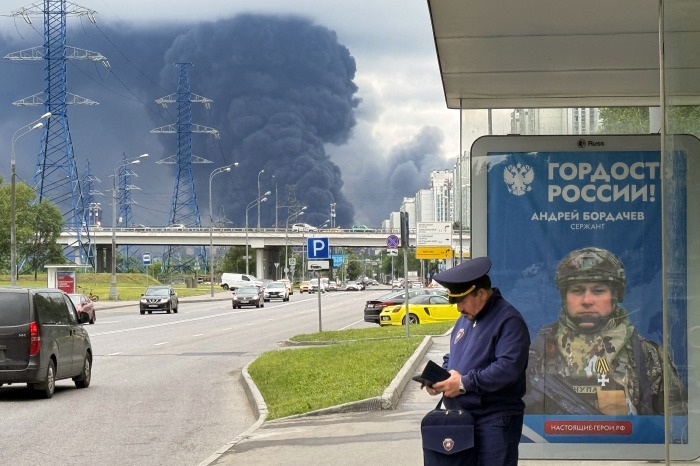
Refineries Are Now the Main Chokepoint for Global Energy Supplies
Recent reporting indicates that global refineries have superseded extraction sites as the primary bottleneck in international energy supplies.
The story
in brief.
What happened, who it affects, and why it landed on our intelligence desk — in plain English, sixty seconds or less.
Recent reporting indicates that global refineries have superseded extraction sites as the primary bottleneck in international energy supplies. This structural shift highlights a critical vulnerability in downstream processing capacity rather than upstream production. For professionals, this signals a fundamental change in market dynamics where refining efficiency and capacity become the decisive factors in energy availability. The news underscores the growing strategic importance of midstream and downstream infrastructure, suggesting that future energy security will depend heavily on maintaining and optimising existing refining networks amidst geopolitical and operational pressures.
Indicative index of skill mentions in professional job postings for the field this story moves (2019 = 1)
What this means
for your career.
Every headline redistributes opportunity. Here is who this one rewards — and how to be on the right side of it.
You must adapt your skill set to address the complexities of downstream energy infrastructure. Professionals in engineering, supply chain, and risk management should prioritise expertise in process optimisation and contingency planning. If you work in finance, focus on understanding capital allocation for refining upgrades rather than exploration. Smart practitioners will now deepen their knowledge of regulatory compliance and operational resilience. You should also explore roles in energy transition, as refineries increasingly integrate with low-carbon technologies. Upskilling in data analytics for predictive maintenance will make you indispensable. Do not ignore the geopolitical dimensions; understanding how trade routes affect feedstock availability is crucial. Ultimately, position yourself as a specialist who can navigate the technical and strategic challenges of keeping global refining capacity stable and efficient.
For this story, the fields that convert it into pay are Supply Chain, Engineering, Risk Management Strategies and AI in Energy — exactly the programmes matched below. The chart shows the indicative salary uplift certified professionals report in each of those fields; every one of them is a click away, from £79, finishing in as few as 20 days.
Indicative ranges from published continuing-education salary studies, by field — each field is a recommended course below
Enrol in these
to benefit.
These programmes position you for exactly this shift — online, self-paced, and finishing with a verifiable certificate you can share the day you pass.
 Best match
Certificate in Supply Chain
 Recommended
Certificate in Engineering
Recommended
Certificate in Risk Management Strategies
 Recommended
Certificate in AI in Energy
Launch pricing shown against standard certificate value. The fee you see today is the fee you lock in.
This briefing is based on reporting by WSJ on 19 Sep, 20:53. Read the original coverage →
Read the news. Then outrun it.
Every OnlineUni programme is online, self-paced and from £79 — so a headline today can be your credential this month.