
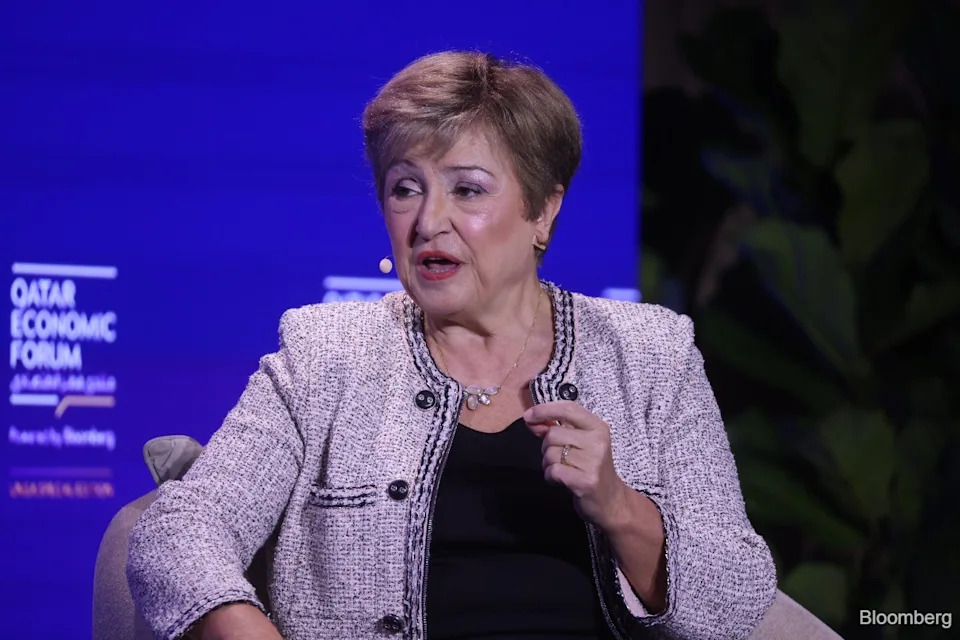
Rich countries are now on front lines as world's risk map shifts
Recent analysis indicates that wealthier nations are increasingly exposed to global systemic risks, challenging the traditional perception that developing economies bear the brunt of instability.
The story
in brief.
What happened, who it affects, and why it landed on our intelligence desk — in plain English, sixty seconds or less.
Recent analysis indicates that wealthier nations are increasingly exposed to global systemic risks, challenging the traditional perception that developing economies bear the brunt of instability. As geopolitical tensions, climate disruptions, and supply chain fragility intensify, advanced economies face heightened vulnerability. This shift suggests that risk is no longer confined to peripheral markets but now directly impacts core industrial and financial hubs. Professionals must recognise that geographic distance no longer guarantees immunity from global shocks, necessitating a fundamental reassessment of operational resilience and strategic planning in their respective organisations.
Indicative index of skill mentions in professional job postings for the field this story moves (2019 = 1)
What this means
for your career.
Every headline redistributes opportunity. Here is who this one rewards — and how to be on the right side of it.
You must adapt to a landscape where stability is no longer guaranteed. This shift elevates the value of skills in risk assessment, crisis response, and operational continuity. Professionals in supply chain, finance, and leadership roles should prioritise understanding geopolitical vulnerabilities and building resilient systems. You should actively seek training in crisis management to anticipate disruptions before they escalate. Furthermore, developing expertise in compliance and governance will help you navigate increasingly complex regulatory environments. Do not wait for disruption to hit; instead, proactively integrate risk mitigation into your daily decision-making. By positioning yourself as a strategist who can safeguard organisational assets against global shocks, you become indispensable in an era of uncertainty.
For this story, the fields that convert it into pay are Crisis Management, Risk Management Strategies, Supply Chain and Compliance And Governance — exactly the programmes matched below. The chart shows the indicative salary uplift certified professionals report in each of those fields; every one of them is a click away, from £79, finishing in as few as 20 days.
Indicative ranges from published continuing-education salary studies, by field — each field is a recommended course below
Enrol in these
to benefit.
These programmes position you for exactly this shift — online, self-paced, and finishing with a verifiable certificate you can share the day you pass.
 Best match
Certificate in Crisis Management
 Recommended
Certificate in Risk Management Strategies
 Recommended
Certificate in Supply Chain
 Recommended
Certificate in Compliance And Governance
Launch pricing shown against standard certificate value. The fee you see today is the fee you lock in.
This briefing is based on reporting by Yahoo Finance Singapore on 10 Oct, 04:56. Read the original coverage →
Read the news. Then outrun it.
Every OnlineUni programme is online, self-paced and from £79 — so a headline today can be your credential this month.