
Routing the way to sharper and brighter low light photography with tiny 3D printed colour routers
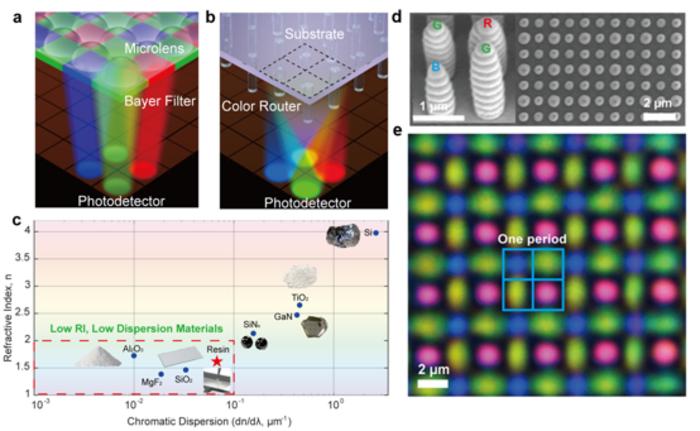
Researchers have developed a novel approach to enhancing low-light photography using tiny, three-dimensional printed colour routers.
The story
in brief.
What happened, who it affects, and why it landed on our intelligence desk — in plain English, sixty seconds or less.
Researchers have developed a novel approach to enhancing low-light photography using tiny, three-dimensional printed colour routers. These micro-devices manipulate light paths with precision, allowing cameras to capture sharper and brighter images in challenging lighting conditions. The technology leverages advanced manufacturing techniques to create complex optical structures that were previously difficult or impossible to produce. This development represents a significant step forward in computational imaging and micro-optics, potentially reducing the size and cost of high-performance camera systems while improving their capability in dim environments.
Indicative index of skill mentions in professional job postings for the field this story moves (2019 = 1)
What this means
for your career.
Every headline redistributes opportunity. Here is who this one rewards — and how to be on the right side of it.
This breakthrough signals a shift towards advanced micro-fabrication and optical engineering in consumer electronics. Professionals in hardware development and manufacturing must now prioritise skills in additive manufacturing and photonic design. If you work in product management or R&D, pay close attention to how miniaturisation impacts device aesthetics and performance. Smart professionals will upskill in precision engineering and material science to stay relevant. Consider exploring courses that bridge traditional optics with modern 3D printing technologies. By understanding these emerging manufacturing capabilities, you can anticipate market trends and contribute to next-generation imaging solutions, ensuring your expertise remains competitive in an increasingly visual digital economy.
For this story, the fields that convert it into pay are Engineering, Innovation, AI in Film And Media and Requirements Engineering — exactly the programmes matched below. The chart shows the indicative salary uplift certified professionals report in each of those fields; every one of them is a click away, from £79, finishing in as few as 20 days.
Indicative ranges from published continuing-education salary studies, by field — each field is a recommended course below
Enrol in these
to benefit.
These programmes position you for exactly this shift — online, self-paced, and finishing with a verifiable certificate you can share the day you pass.
 Best match
Certificate in Engineering
 Recommended
Certificate in Innovation
 Recommended
Certificate in AI in Film And Media
 Recommended
Certificate in Requirements Engineering
Launch pricing shown against standard certificate value. The fee you see today is the fee you lock in.
This briefing is based on reporting by EurekAlert! on 22 Oct, 21:12. Read the original coverage →
Read the news. Then outrun it.
Every OnlineUni programme is online, self-paced and from £79 — so a headline today can be your credential this month.