
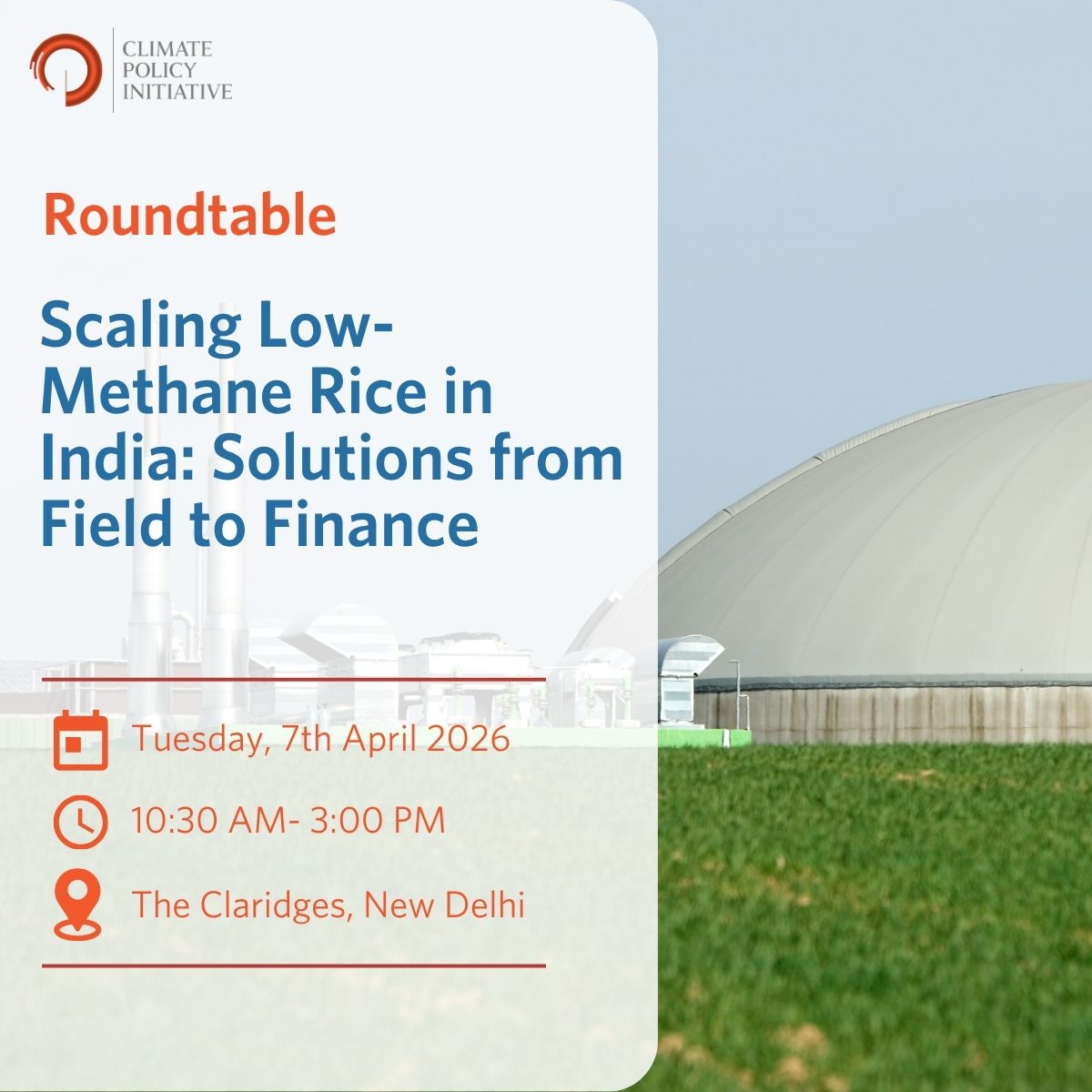
Scaling Low-Methane Rice in India: Solutions from Field to Finance
The Climate Policy Initiative reports on emerging strategies to scale low-methane rice cultivation across India, addressing a critical intersection of agriculture and climate mitigation.
The story
in brief.
What happened, who it affects, and why it landed on our intelligence desk — in plain English, sixty seconds or less.
The Climate Policy Initiative reports on emerging strategies to scale low-methane rice cultivation across India, addressing a critical intersection of agriculture and climate mitigation. The analysis highlights integrated solutions spanning field-level agronomic practices to financial mechanisms that incentivise sustainable farming. By examining the pipeline from technical implementation to economic viability, the report underscores the necessity of coordinated efforts between agricultural experts and financial institutions. This development signals a growing market for professionals who can bridge the gap between environmental science and commercial application, offering new avenues for career growth in sustainable supply chains and climate finance.
Indicative index of skill mentions in professional job postings for the field this story moves (2019 = 1)
What this means
for your career.
Every headline redistributes opportunity. Here is who this one rewards — and how to be on the right side of it.
You should recognise this as a pivotal shift in sustainable agriculture, creating urgent demand for specialists who understand both agronomy and climate finance. Professionals with expertise in sustainability management and financial modelling will find their skills increasingly valuable as investors seek verified impact metrics. If you work in supply chain or project management, you must now integrate environmental risk assessments into your core workflows. A smart next step is to upskill in carbon accounting or sustainable agri-finance. You should network with climate-tech startups and consultancies focusing on emerging markets. By positioning yourself at this nexus, you future-proof your career against regulatory changes and capture opportunities in the rapidly expanding green economy. Do not ignore the financial instruments driving this change; understand them to lead effectively.
For this story, the fields that convert it into pay are Sustainability management, Supply Chain, Financial Modeling and AI in Agriculture — exactly the programmes matched below. The chart shows the indicative salary uplift certified professionals report in each of those fields; every one of them is a click away, from £79, finishing in as few as 20 days.
Indicative ranges from published continuing-education salary studies, by field — each field is a recommended course below
Enrol in these
to benefit.
These programmes position you for exactly this shift — online, self-paced, and finishing with a verifiable certificate you can share the day you pass.
 Best match
Certificate in Sustainability management
Recommended
Certificate in Supply Chain
Recommended
Certificate in Financial Modeling
 Recommended
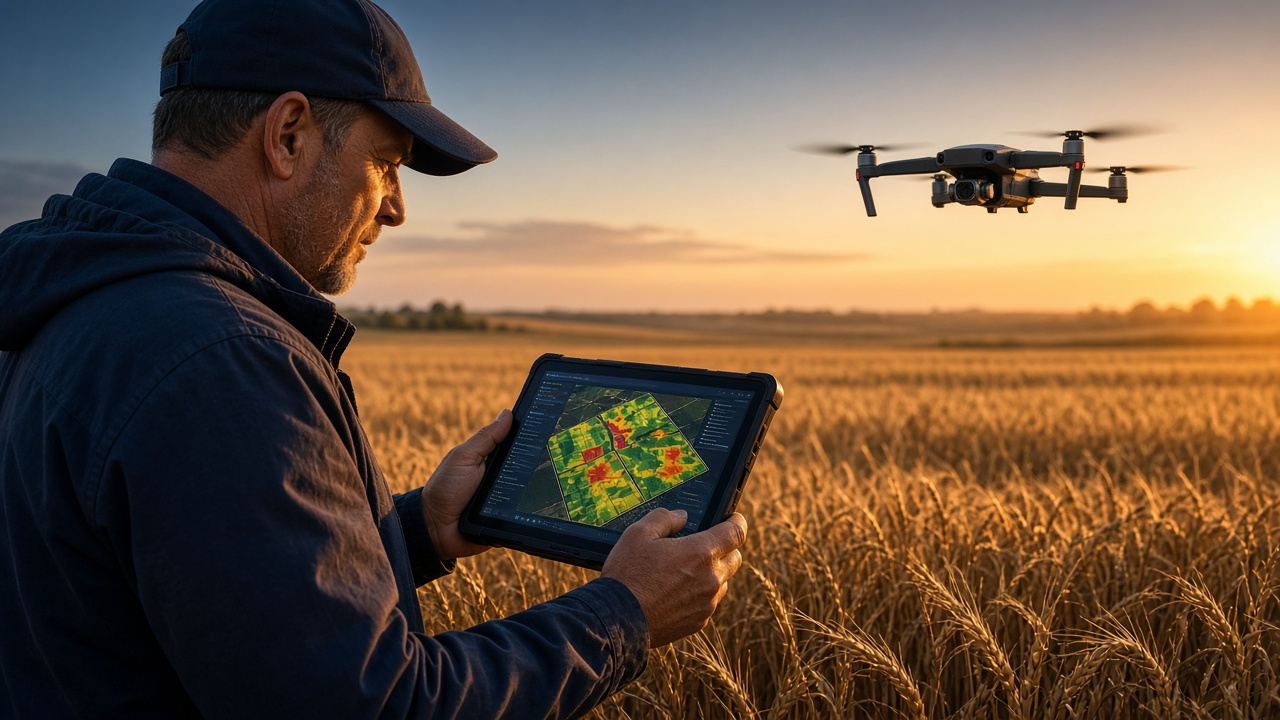
Certificate in AI in Agriculture
Launch pricing shown against standard certificate value. The fee you see today is the fee you lock in.
This briefing is based on reporting by Climate Policy Initiative on 7 Apr, 07:00. Read the original coverage →
Read the news. Then outrun it.
Every OnlineUni programme is online, self-paced and from £79 — so a headline today can be your credential this month.