
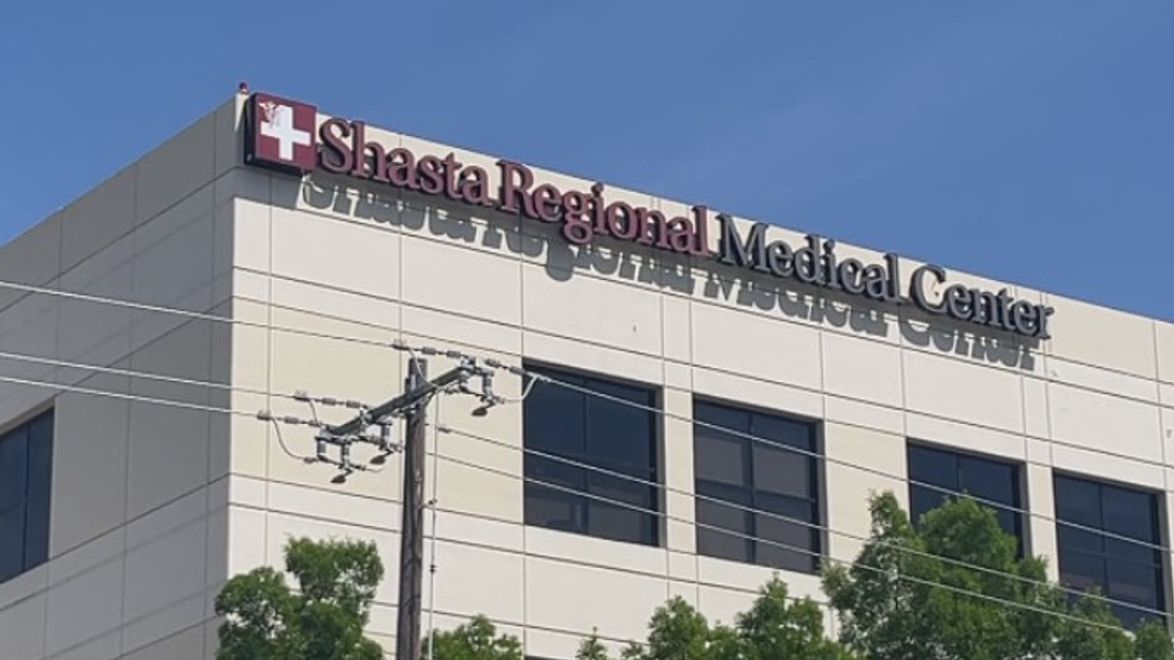
Shasta Regional workers to join multistate Prime Healthcare strike on Tuesday
Workers at Shasta Regional Medical Center are set to participate in a coordinated, multistate strike against Prime Healthcare on Tuesday.
The story
in brief.
What happened, who it affects, and why it landed on our intelligence desk — in plain English, sixty seconds or less.
Workers at Shasta Regional Medical Center are set to participate in a coordinated, multistate strike against Prime Healthcare on Tuesday. This industrial action joins a broader wave of labour disputes involving the healthcare operator across multiple facilities. The strike highlights ongoing tensions regarding employment conditions and operational standards within the Prime Healthcare network. For professionals in the sector, this event underscores the growing volatility in healthcare workforce relations. It signals potential disruptions to service delivery and raises questions about long-term staffing stability. The development serves as a critical indicator of shifting dynamics between large healthcare providers and their employees, warranting close attention from industry stakeholders and career strategists alike.
Indicative index of skill mentions in professional job postings for the field this story moves (2019 = 1)
What this means
for your career.
Every headline redistributes opportunity. Here is who this one rewards — and how to be on the right side of it.
This strike signals heightened volatility in healthcare operations, making crisis management and conflict resolution skills increasingly valuable for your career. If you work in healthcare administration or human resources, you must prepare for potential staffing shortages and operational disruptions. Focus on understanding labour relations and emergency workforce planning to remain indispensable. For clinicians, this moment highlights the power of collective bargaining; consider upskilling in negotiation and professional advocacy. A smart professional would immediately review their contingency plans and strengthen their network within alternative healthcare systems. Prioritise courses in crisis leadership and healthcare management to navigate these turbulent waters. By anticipating operational challenges, you position yourself as a stabilising force, ensuring your relevance regardless of external labour disputes.
For this story, the fields that convert it into pay are Healthcare Management, Crisis Management, Human Resources and Occupational Health And Safety — exactly the programmes matched below. The chart shows the indicative salary uplift certified professionals report in each of those fields; every one of them is a click away, from £79, finishing in as few as 20 days.
Indicative ranges from published continuing-education salary studies, by field — each field is a recommended course below
Enrol in these
to benefit.
These programmes position you for exactly this shift — online, self-paced, and finishing with a verifiable certificate you can share the day you pass.
 Best match
Certificate in Healthcare Management
 Recommended
Certificate in Crisis Management
Recommended
Certificate in Human Resources
 Recommended
Certificate in Occupational Health And Safety
Launch pricing shown against standard certificate value. The fee you see today is the fee you lock in.
This briefing is based on reporting by KRCR on 15 Sep, 01:51. Read the original coverage →
Read the news. Then outrun it.
Every OnlineUni programme is online, self-paced and from £79 — so a headline today can be your credential this month.