
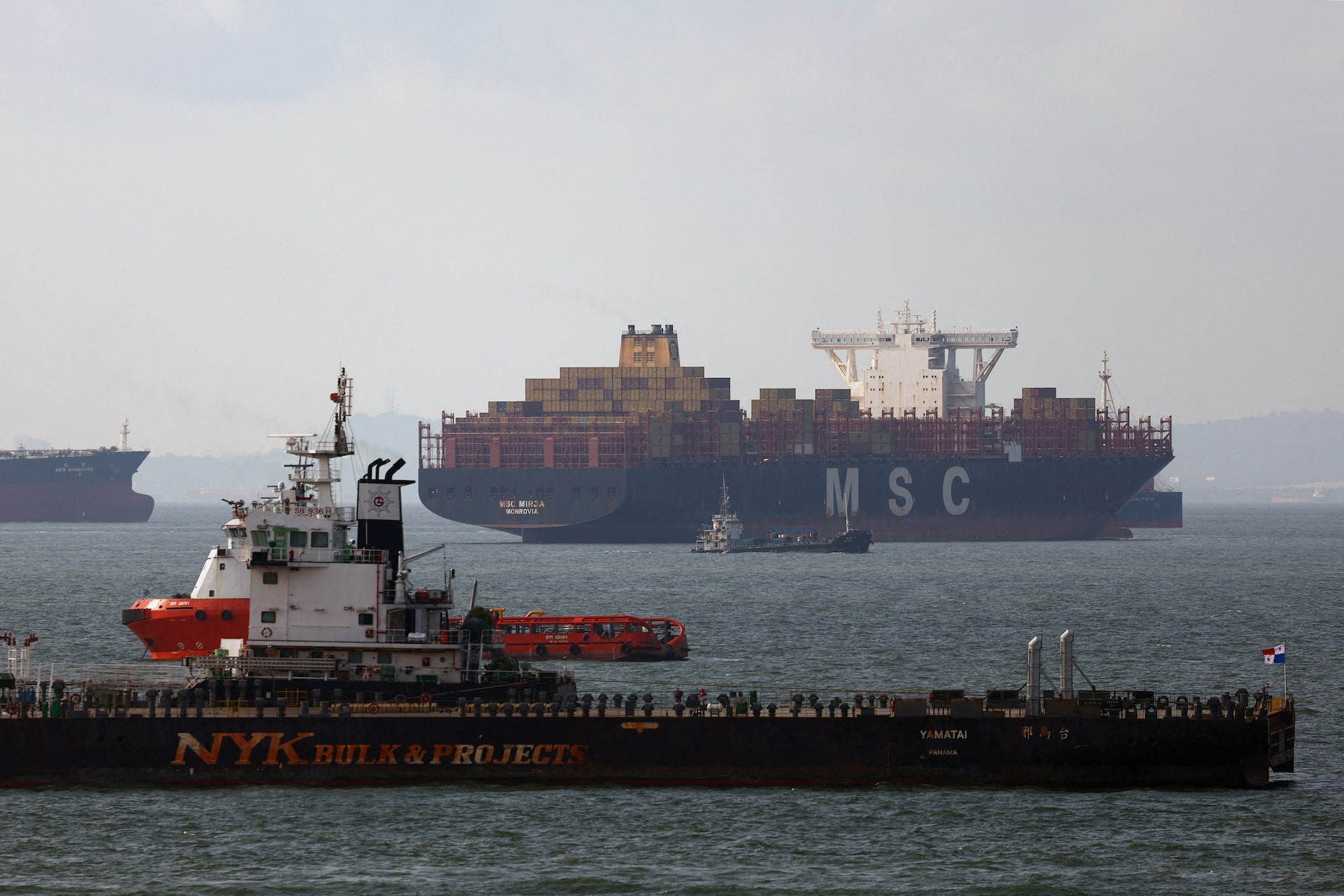
Ship fuel shortage looms as refiners strained by war favour other products
Global shipping faces an emerging fuel shortage as refineries, pressured by geopolitical conflict, prioritise higher-margin products over marine fuels.
The story
in brief.
What happened, who it affects, and why it landed on our intelligence desk — in plain English, sixty seconds or less.
Global shipping faces an emerging fuel shortage as refineries, pressured by geopolitical conflict, prioritise higher-margin products over marine fuels. This supply-side constraint threatens to disrupt maritime logistics networks worldwide. The situation highlights the fragility of global energy infrastructure and its direct impact on transport costs. Professionals must recognise how these external shocks ripple through supply chains, affecting delivery schedules and operational budgets. Understanding this dynamic is crucial for maintaining business continuity in an increasingly volatile market environment where traditional supply assumptions may no longer hold true.
Indicative index of skill mentions in professional job postings for the field this story moves (2019 = 1)
What this means
for your career.
Every headline redistributes opportunity. Here is who this one rewards — and how to be on the right side of it.
You must now prioritise resilience over efficiency in your operational planning. Professionals in logistics, procurement, and strategic planning should immediately assess their exposure to maritime fuel price volatility. Skills in crisis management and supply chain optimisation are rapidly appreciating in value. You should analyse alternative routing options and renegotiate supplier contracts to include force majeure clauses. Focus on developing contingency strategies that mitigate disruption risks. Engage with cross-functional teams to model cost impacts accurately. By mastering adaptive supply chain tactics, you position yourself as a critical asset capable of navigating uncertainty. This is your opportunity to demonstrate strategic foresight and secure your career relevance.
For this story, the fields that convert it into pay are Supply Chain, Crisis Management, Risk Management Strategies and Maritime Logistics — exactly the programmes matched below. The chart shows the indicative salary uplift certified professionals report in each of those fields; every one of them is a click away, from £79, finishing in as few as 20 days.
Indicative ranges from published continuing-education salary studies, by field — each field is a recommended course below
Enrol in these
to benefit.
These programmes position you for exactly this shift — online, self-paced, and finishing with a verifiable certificate you can share the day you pass.
 Best match
Certificate in Supply Chain
 Recommended
Certificate in Crisis Management
 Recommended
Certificate in Risk Management Strategies
 Recommended
Certificate in Maritime Logistics
Launch pricing shown against standard certificate value. The fee you see today is the fee you lock in.
This briefing is based on reporting by Reuters on 7 Sep, 01:02. Read the original coverage →
Read the news. Then outrun it.
Every OnlineUni programme is online, self-paced and from £79 — so a headline today can be your credential this month.