
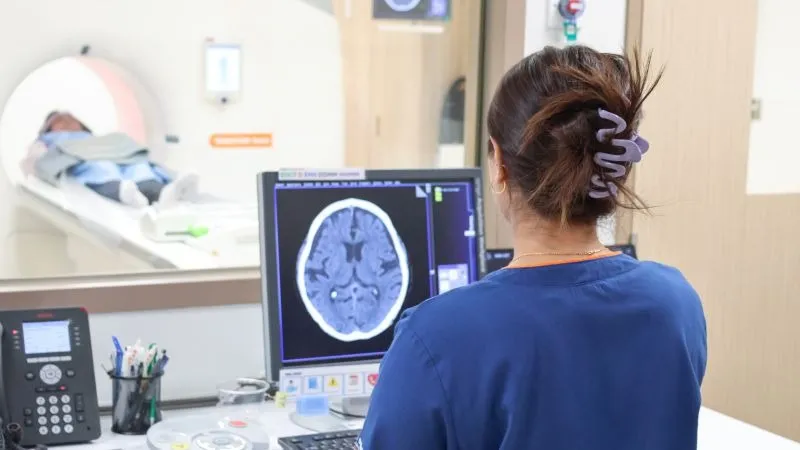
Singapore General Hospital uses AI to speed up brain bleed detection
Singapore General Hospital has implemented artificial intelligence systems to accelerate the detection of brain bleeds.
The story
in brief.
What happened, who it affects, and why it landed on our intelligence desk — in plain English, sixty seconds or less.
Singapore General Hospital has implemented artificial intelligence systems to accelerate the detection of brain bleeds. This initiative aims to reduce diagnostic times significantly, allowing medical teams to intervene more rapidly during critical neurological events. The deployment highlights a growing trend in healthcare where AI assists radiologists and clinicians in identifying urgent conditions faster than traditional methods alone. By integrating these tools into clinical workflows, the hospital seeks to improve patient outcomes through quicker, more accurate assessments of emergency cases, demonstrating a practical application of technology in high-stakes medical environments.
Indicative index of skill mentions in professional job postings for the field this story moves (2019 = 1)
What this means
for your career.
Every headline redistributes opportunity. Here is who this one rewards — and how to be on the right side of it.
This development signals a shift towards tech-augmented clinical workflows. For healthcare professionals, understanding AI diagnostics is no longer optional; it is essential for staying relevant. You must upskill in interpreting AI-generated insights rather than viewing them as replacements. Data literacy and familiarity with clinical decision-support systems will rise in value. If you work in health tech, focus on product implementation within hospital settings. Smart professionals will immediately explore courses bridging medical knowledge with data analytics. Do not ignore this trend. Adapt your skill set to collaborate effectively with AI tools, ensuring you can validate outputs and maintain patient safety while leveraging efficiency gains.
For this story, the fields that convert it into pay are Healthcare Management, Artificial Intelligence, Healthcare Data Analytics and Data Science — exactly the programmes matched below. The chart shows the indicative salary uplift certified professionals report in each of those fields; every one of them is a click away, from £79, finishing in as few as 20 days.
Indicative ranges from published continuing-education salary studies, by field — each field is a recommended course below
Enrol in these
to benefit.
These programmes position you for exactly this shift — online, self-paced, and finishing with a verifiable certificate you can share the day you pass.
 Best match
Certificate in Healthcare Management
 Recommended
Certificate in Artificial Intelligence
 Recommended
Certificate in Healthcare Data Analytics
 Recommended
Certificate in Data Science
Launch pricing shown against standard certificate value. The fee you see today is the fee you lock in.
This briefing is based on reporting by Healthcare Asia Magazine on 15 Oct, 03:40. Read the original coverage →
Read the news. Then outrun it.
Every OnlineUni programme is online, self-paced and from £79 — so a headline today can be your credential this month.