
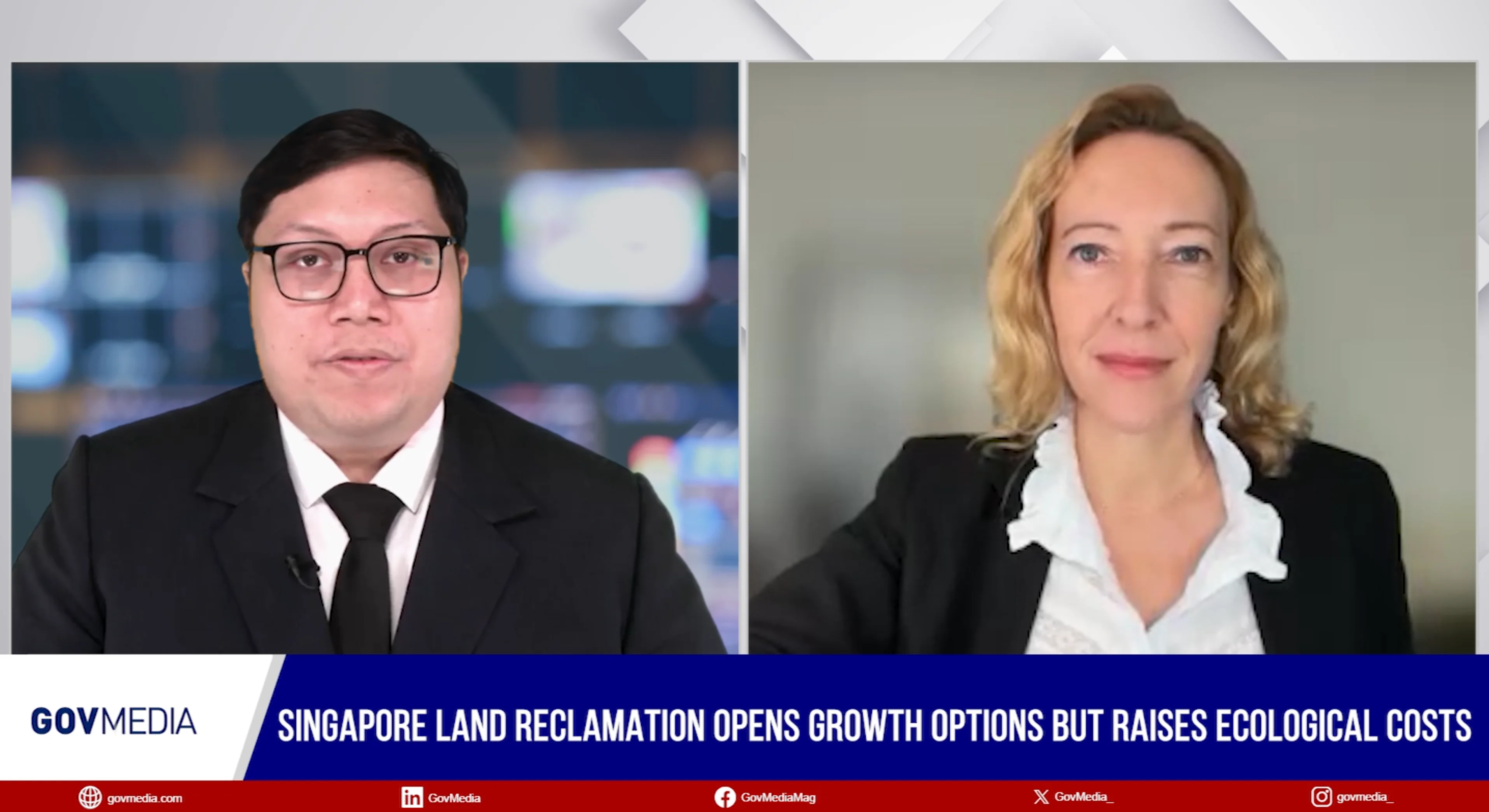
Singapore reclamation plan tests environmental trade-offs
Singapore’s latest land reclamation initiatives highlight the complex balance between urban expansion and ecological preservation.
The story
in brief.
What happened, who it affects, and why it landed on our intelligence desk — in plain English, sixty seconds or less.
Singapore’s latest land reclamation initiatives highlight the complex balance between urban expansion and ecological preservation. The government is evaluating new strategies to mitigate environmental impacts while meeting housing and infrastructure demands. This development underscores the growing necessity for sustainable engineering practices and rigorous environmental impact assessments. Professionals must recognise that future projects will increasingly require integrating green technologies with traditional construction methods. The narrative shifts from pure development to responsible growth, demanding a nuanced approach to resource management. This policy direction signals a long-term commitment to sustainability, affecting regulatory frameworks and project approvals across the sector.
Indicative index of skill mentions in professional job postings for the field this story moves (2019 = 1)
What this means
for your career.
Every headline redistributes opportunity. Here is who this one rewards — and how to be on the right side of it.
This shift demands that you prioritise sustainability expertise alongside traditional engineering skills. Professionals in construction and urban planning must now master environmental compliance and green building standards. You should focus on acquiring certifications in sustainable management to remain competitive. Monitor regulatory changes closely, as they will dictate project viability. Upskill in data analytics to assess environmental impacts accurately. Engage with cross-functional teams to integrate ecological considerations early in the design phase. This evolution creates opportunities for specialists who can bridge technical engineering with environmental stewardship. Proactively seek roles involving sustainable infrastructure projects. Understanding the intersection of policy and practice will distinguish you in a market increasingly driven by ecological responsibility and long-term viability.
For this story, the fields that convert it into pay are Sustainability management, Engineering, Green Building Standards and Project Management — exactly the programmes matched below. The chart shows the indicative salary uplift certified professionals report in each of those fields; every one of them is a click away, from £79, finishing in as few as 20 days.
Indicative ranges from published continuing-education salary studies, by field — each field is a recommended course below
Enrol in these
to benefit.
These programmes position you for exactly this shift — online, self-paced, and finishing with a verifiable certificate you can share the day you pass.
 Best match
Certificate in Sustainability management
 Recommended
Certificate in Engineering
 Recommended
Certificate in Green Building Standards
 Recommended
Certificate in Project Management
Launch pricing shown against standard certificate value. The fee you see today is the fee you lock in.
This briefing is based on reporting by GovMedia on 23 Sep, 08:18. Read the original coverage →
Read the news. Then outrun it.
Every OnlineUni programme is online, self-paced and from £79 — so a headline today can be your credential this month.