
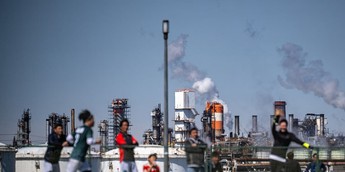
Singapore refiner looks to West Africa and Latin America for crude as Iran war disrupts Middle East supplies
Singapore-based refining operations are actively diversifying crude oil procurement strategies amid significant supply disruptions caused by geopolitical tensions involving Iran.
The story
in brief.
What happened, who it affects, and why it landed on our intelligence desk — in plain English, sixty seconds or less.
Singapore-based refining operations are actively diversifying crude oil procurement strategies amid significant supply disruptions caused by geopolitical tensions involving Iran. With traditional Middle Eastern sources becoming unreliable or inaccessible, refiners are pivoting towards West African and Latin American suppliers to maintain operational continuity. This strategic shift highlights the fragility of global energy supply chains and the necessity for agile sourcing models. The move underscores how regional conflicts directly impact global commodity markets, forcing major industrial players to rapidly reconfigure logistics and vendor relationships to mitigate risk and ensure steady feedstock availability for downstream production processes.
Indicative index of skill mentions in professional job postings for the field this story moves (2019 = 1)
What this means
for your career.
Every headline redistributes opportunity. Here is who this one rewards — and how to be on the right side of it.
This disruption elevates the strategic value of supply chain resilience and risk management expertise. As a professional, you must recognise that traditional procurement models are becoming obsolete in volatile geopolitical climates. You should prioritise upskilling in logistics optimisation and crisis response to remain competitive. Analysts and operations managers who can model alternative sourcing routes will see increased demand. If you work in energy or manufacturing, audit your current supply dependencies immediately. Learn to leverage data analytics for predictive risk assessment. Engage with cross-functional teams to build contingency plans. Professionals who demonstrate adaptability and strategic foresight in navigating these complex global shifts will secure leadership roles. Focus on understanding international trade regulations and commodity market dynamics to advise your organisation effectively during future disruptions.
For this story, the fields that convert it into pay are Supply Chain, Risk Management Strategies, Crisis Management and Maritime Logistics — exactly the programmes matched below. The chart shows the indicative salary uplift certified professionals report in each of those fields; every one of them is a click away, from £79, finishing in as few as 20 days.
Indicative ranges from published continuing-education salary studies, by field — each field is a recommended course below
Enrol in these
to benefit.
These programmes position you for exactly this shift — online, self-paced, and finishing with a verifiable certificate you can share the day you pass.
 Best match
Certificate in Supply Chain
 Recommended
Certificate in Risk Management Strategies
 Recommended
Certificate in Crisis Management
 Recommended
Certificate in Maritime Logistics
Launch pricing shown against standard certificate value. The fee you see today is the fee you lock in.
This briefing is based on reporting by Business Insider Africa on 10 Sep, 07:52. Read the original coverage →
Read the news. Then outrun it.
Every OnlineUni programme is online, self-paced and from £79 — so a headline today can be your credential this month.