
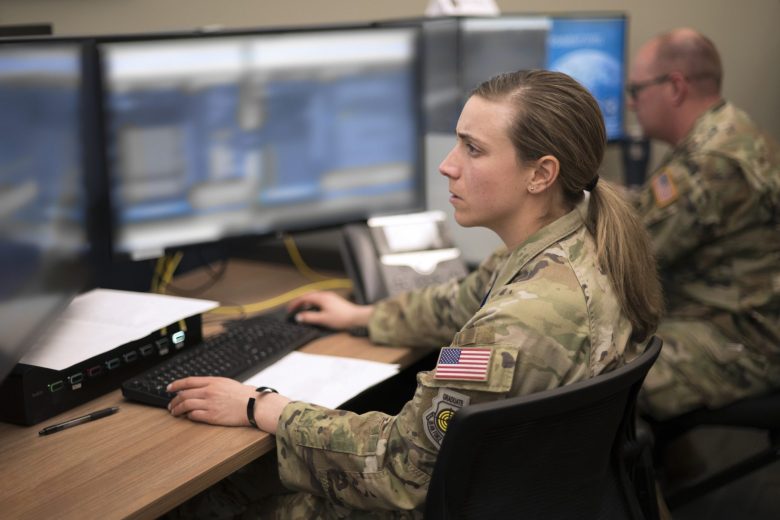
Space Force turns to simulation technology to prepare for warfare in orbit
The United States Space Force is increasingly adopting advanced simulation technologies to train personnel for potential orbital warfare scenarios.
The story
in brief.
What happened, who it affects, and why it landed on our intelligence desk — in plain English, sixty seconds or less.
The United States Space Force is increasingly adopting advanced simulation technologies to train personnel for potential orbital warfare scenarios. This strategic shift aims to enhance readiness and operational effectiveness in the space domain without the prohibitive costs and risks of live exercises. By leveraging virtual environments, the military branch seeks to replicate complex combat situations, allowing for rigorous preparation and skill development. This development highlights the growing intersection between defence strategies and high-fidelity digital training methods, signalling a broader trend in modern military preparedness.
Indicative index of skill mentions in professional job postings for the field this story moves (2019 = 1)
What this means
for your career.
Every headline redistributes opportunity. Here is who this one rewards — and how to be on the right side of it.
This development signals that simulation expertise is becoming critical in defence and aerospace sectors. Professionals with skills in virtual reality, data analytics, and systems engineering will see rising demand. You should pay attention if you work in defence contracting, software development, or strategic planning. To stay competitive, upskill in simulation design and cyber security, as these areas are vital for protecting and operating orbital assets. Consider obtaining certifications in relevant technologies and networking with industry leaders. Proactively developing these skills will position you for emerging roles in this rapidly evolving field, ensuring your career remains resilient and aligned with future military and commercial space initiatives.
For this story, the fields that convert it into pay are Cyber Security, Engineering, Artificial Intelligence and Data Science — exactly the programmes matched below. The chart shows the indicative salary uplift certified professionals report in each of those fields; every one of them is a click away, from £79, finishing in as few as 20 days.
Indicative ranges from published continuing-education salary studies, by field — each field is a recommended course below
Enrol in these
to benefit.
These programmes position you for exactly this shift — online, self-paced, and finishing with a verifiable certificate you can share the day you pass.
 Best match
Certificate in Cyber Security
 Recommended
Certificate in Engineering
 Recommended
Certificate in Artificial Intelligence
 Recommended
Certificate in Data Science
Launch pricing shown against standard certificate value. The fee you see today is the fee you lock in.
This briefing is based on reporting by SpaceNews on 10 Sep, 14:00. Read the original coverage →
Read the news. Then outrun it.
Every OnlineUni programme is online, self-paced and from £79 — so a headline today can be your credential this month.