
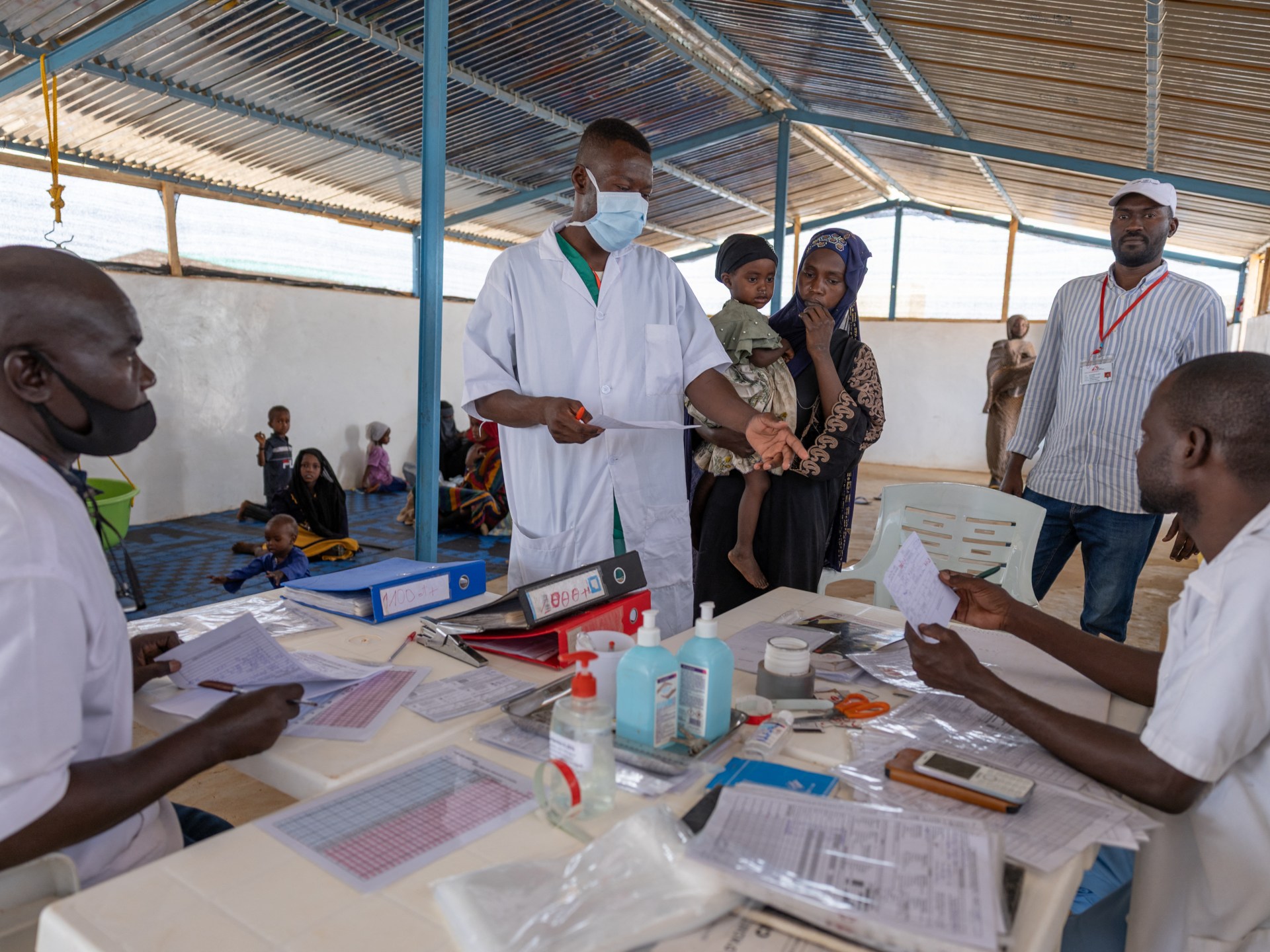
Sudan’s healthcare system on brink of collapse, MSF warns
Médecins Sans Frontières has issued a stark warning that Sudan’s healthcare infrastructure is approaching total collapse due to ongoing conflict and systemic strain.
The story
in brief.
What happened, who it affects, and why it landed on our intelligence desk — in plain English, sixty seconds or less.
Médecins Sans Frontières has issued a stark warning that Sudan’s healthcare infrastructure is approaching total collapse due to ongoing conflict and systemic strain. This critical situation highlights severe shortages in medical supplies, personnel, and operational capacity across the nation. For professionals monitoring global stability, this report signals an acute humanitarian emergency requiring immediate international attention. The data suggests that without urgent intervention, the ability to deliver basic medical services will cease, affecting millions of civilians. This development underscores the fragility of health systems in conflict zones and the urgent need for robust emergency response frameworks to mitigate widespread suffering and prevent further deterioration of public health outcomes.
Indicative index of skill mentions in professional job postings for the field this story moves (2019 = 1)
What this means
for your career.
Every headline redistributes opportunity. Here is who this one rewards — and how to be on the right side of it.
This crisis demands immediate attention from professionals in global health, logistics, and crisis leadership. If you operate in international development or healthcare, your expertise in rapid deployment and resource allocation becomes critical. Prioritise skills in Crisis Management and Healthcare Management to navigate complex, high-pressure environments effectively. You should also deepen your understanding of Supply Chain dynamics to ensure medical aid reaches affected populations despite logistical barriers. Consider upskilling in public health policy or emergency response coordination to enhance your strategic value. Engage with organisations focusing on humanitarian aid to identify remote or on-ground opportunities. By aligning your career with these urgent global needs, you position yourself as a vital asset in stabilising fragile systems and delivering essential services where they are needed most.
For this story, the fields that convert it into pay are Crisis Management, Healthcare Management, Supply Chain and Public Administration — exactly the programmes matched below. The chart shows the indicative salary uplift certified professionals report in each of those fields; every one of them is a click away, from £79, finishing in as few as 20 days.
Indicative ranges from published continuing-education salary studies, by field — each field is a recommended course below
Enrol in these
to benefit.
These programmes position you for exactly this shift — online, self-paced, and finishing with a verifiable certificate you can share the day you pass.
 Best match
Certificate in Crisis Management
 Recommended
Certificate in Healthcare Management
 Recommended
Certificate in Supply Chain
 Recommended
Certificate in Public Administration
Launch pricing shown against standard certificate value. The fee you see today is the fee you lock in.
This briefing is based on reporting by Al Jazeera on 8 Sep, 12:12. Read the original coverage →
Read the news. Then outrun it.
Every OnlineUni programme is online, self-paced and from £79 — so a headline today can be your credential this month.