
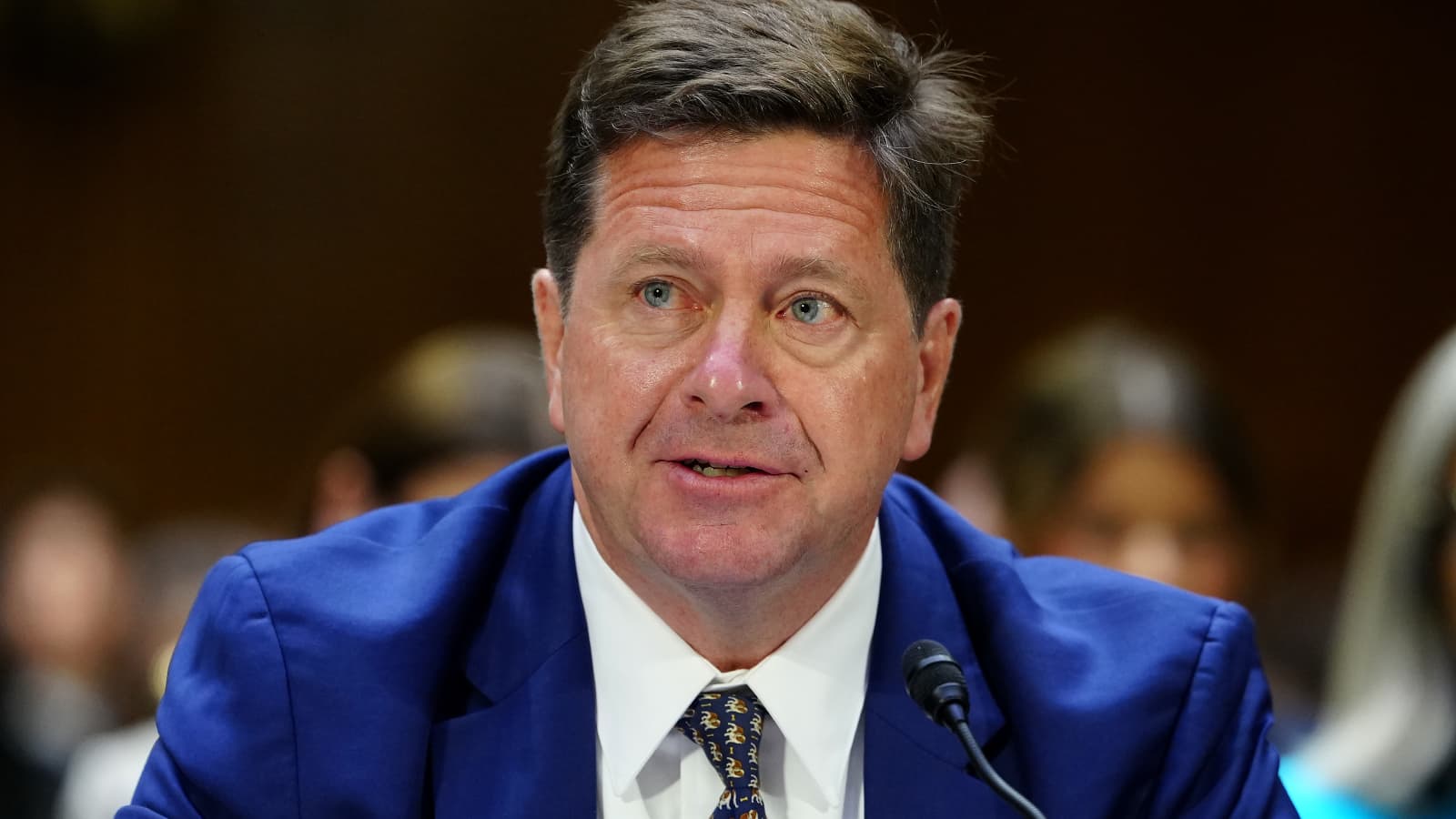
'Super intelligence is a national security issue,' Jay Clayton says; dodges AI 'czar' question
Former SEC Chair Jay Clayton has characterised super intelligence as a critical national security concern, highlighting the growing intersection of artificial intelligence and state interests.
The story
in brief.
What happened, who it affects, and why it landed on our intelligence desk — in plain English, sixty seconds or less.
Former SEC Chair Jay Clayton has characterised super intelligence as a critical national security concern, highlighting the growing intersection of artificial intelligence and state interests. While addressing these systemic risks, Clayton declined to confirm whether the administration intends to appoint a dedicated AI ‘czar’ to oversee regulation. This development signals that AI governance is increasingly viewed through a geopolitical lens rather than solely a commercial one. For professionals, it underscores the urgency of understanding regulatory frameworks and security implications. The ambiguity surrounding leadership structures suggests a period of evolving policy, requiring practitioners to stay informed on how national security priorities may reshape industry standards and compliance requirements across sectors.
Indicative index of skill mentions in professional job postings for the field this story moves (2019 = 1)
What this means
for your career.
Every headline redistributes opportunity. Here is who this one rewards — and how to be on the right side of it.
You must now view AI expertise through a security and compliance lens. Technical skills alone are insufficient; you need to understand how algorithms impact national stability. Professionals in policy, legal, and strategic roles should prioritise learning about regulatory frameworks and risk mitigation. If you work in tech, focus on ethical AI development and security protocols. This shift elevates the value of hybrid skills that bridge technology and governance. Start by studying current AI legislation and national security guidelines. Engage with cross-functional teams to understand how your role contributes to broader organisational resilience. Proactively upskill in areas like data privacy and algorithmic accountability. By positioning yourself at the intersection of technology and policy, you future-proof your career against regulatory changes. Treat this not as a niche interest, but as a core competency for leadership in the modern economy.
For this story, the fields that convert it into pay are AI Strategy, Cyber Security, Compliance And Governance and Risk Management Strategies — exactly the programmes matched below. The chart shows the indicative salary uplift certified professionals report in each of those fields; every one of them is a click away, from £79, finishing in as few as 20 days.
Indicative ranges from published continuing-education salary studies, by field — each field is a recommended course below
Enrol in these
to benefit.
These programmes position you for exactly this shift — online, self-paced, and finishing with a verifiable certificate you can share the day you pass.
 Best match
Certificate in AI Strategy
 Recommended
Certificate in Cyber Security
 Recommended
Certificate in Compliance And Governance
 Recommended
Certificate in Risk Management Strategies
Launch pricing shown against standard certificate value. The fee you see today is the fee you lock in.
This briefing is based on reporting by cnbc.com on 30 Sep, 13:32. Read the original coverage →
Read the news. Then outrun it.
Every OnlineUni programme is online, self-paced and from £79 — so a headline today can be your credential this month.