
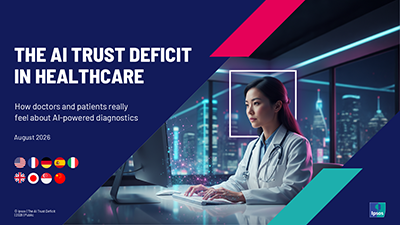
The AI Trust Deficit in Healthcare
Recent findings from Ipsos highlight a significant trust deficit regarding artificial intelligence within the healthcare sector.
The story
in brief.
What happened, who it affects, and why it landed on our intelligence desk — in plain English, sixty seconds or less.
Recent findings from Ipsos highlight a significant trust deficit regarding artificial intelligence within the healthcare sector. The report indicates that professionals and patients remain cautious about AI adoption, citing concerns over data privacy, algorithmic bias, and clinical accountability. This scepticism persists despite the technology's potential to enhance diagnostic accuracy and operational efficiency. The data suggests that without robust frameworks for transparency and ethical oversight, widespread integration of AI tools in clinical and administrative settings may face substantial resistance from key stakeholders.
Indicative index of skill mentions in professional job postings for the field this story moves (2019 = 1)
What this means
for your career.
Every headline redistributes opportunity. Here is who this one rewards — and how to be on the right side of it.
You must recognise that technical proficiency alone is insufficient in this landscape. Professionals who can bridge the gap between algorithmic capability and human trust will command premium salaries. Focus on developing skills in ethical AI governance, clinical data interpretation, and stakeholder communication. If you work in healthcare administration, prioritise understanding regulatory compliance and risk mitigation strategies. For clinicians, emphasise how to validate AI outputs against clinical intuition. A smart professional would immediately upskill in Healthcare Data Analytics to interpret these systems critically. Simultaneously, strengthen your ability to explain complex AI decisions to non-technical colleagues and patients. This dual competency positions you as an essential translator between technology and care, ensuring you remain indispensable as the industry navigates this scepticism.
For this story, the fields that convert it into pay are Healthcare Data Analytics, Compliance And Governance, Healthcare Management and Artificial Intelligence — exactly the programmes matched below. The chart shows the indicative salary uplift certified professionals report in each of those fields; every one of them is a click away, from £79, finishing in as few as 20 days.
Indicative ranges from published continuing-education salary studies, by field — each field is a recommended course below
Enrol in these
to benefit.
These programmes position you for exactly this shift — online, self-paced, and finishing with a verifiable certificate you can share the day you pass.
 Best match
Certificate in Healthcare Data Analytics
 Recommended
Certificate in Compliance And Governance
Recommended
Certificate in Healthcare Management
 Recommended
Certificate in Artificial Intelligence
Launch pricing shown against standard certificate value. The fee you see today is the fee you lock in.
This briefing is based on reporting by Ipsos on 24 Sep, 09:00. Read the original coverage →
Read the news. Then outrun it.
Every OnlineUni programme is online, self-paced and from £79 — so a headline today can be your credential this month.