
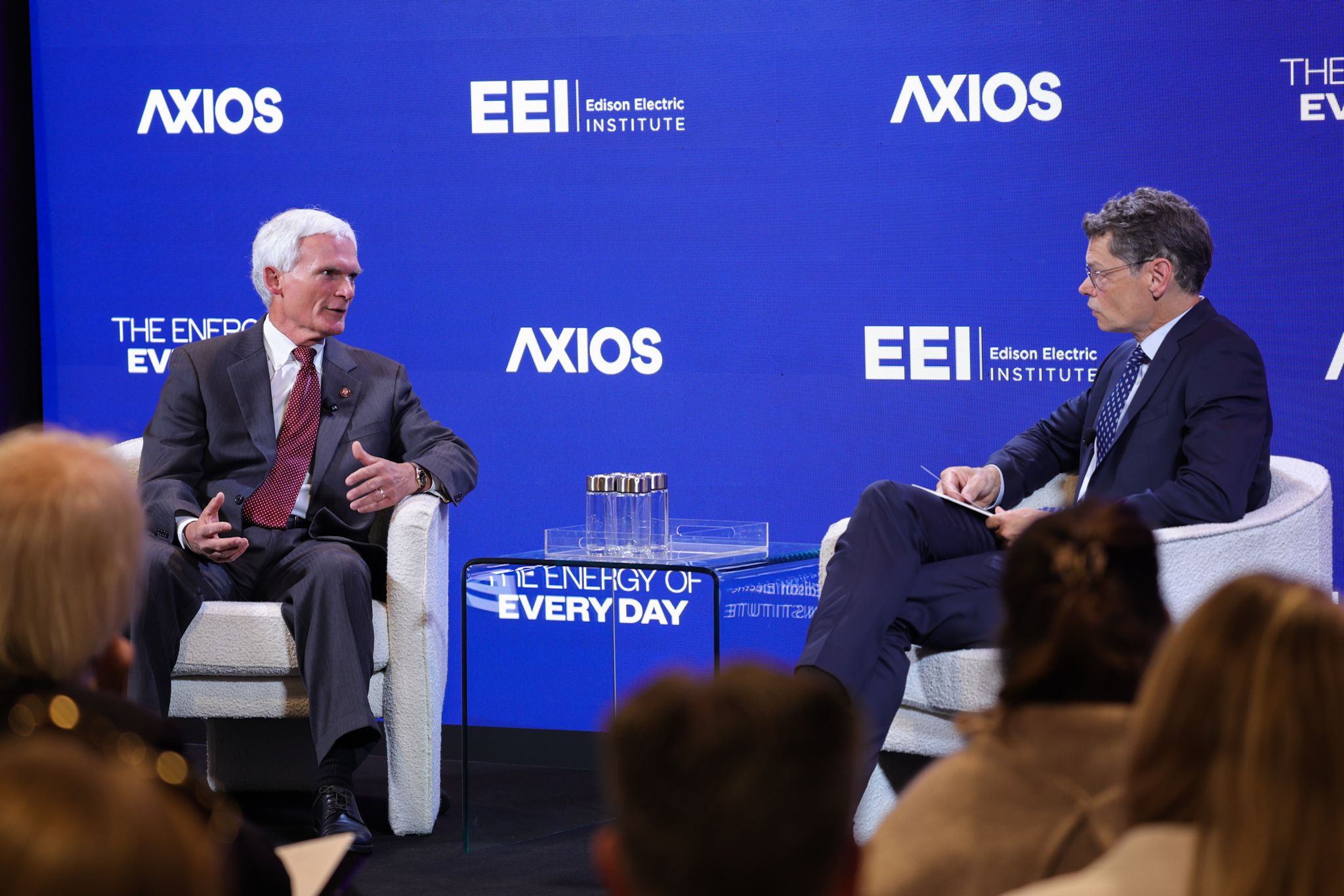
The fight over who pays for AI's power boom
The escalating demand for artificial intelligence is driving a surge in global energy consumption, prompting intense debate over financial responsibility.
The story
in brief.
What happened, who it affects, and why it landed on our intelligence desk — in plain English, sixty seconds or less.
The escalating demand for artificial intelligence is driving a surge in global energy consumption, prompting intense debate over financial responsibility. Tech giants and utility providers are currently negotiating who bears the cost of this infrastructure strain. This conflict highlights the intersection of technological advancement and resource management, as companies race to deploy AI models while grids face unprecedented pressure. The situation underscores a critical operational challenge: balancing rapid innovation with sustainable energy procurement. Professionals must now consider how these macro-level negotiations influence corporate budgets, sustainability mandates, and long-term strategic planning within the technology and energy sectors.
Indicative index of skill mentions in professional job postings for the field this story moves (2019 = 1)
What this means
for your career.
Every headline redistributes opportunity. Here is who this one rewards — and how to be on the right side of it.
This development signals that infrastructure constraints are becoming central to business strategy. You must understand how energy costs impact AI deployment timelines and operational budgets. Skills in sustainable computing and strategic risk management are rising in value, as organisations seek to mitigate these new financial pressures. If you work in technology or operations, pay close attention to how your company addresses power procurement. A smart professional would immediately upskill in Sustainable Computing to advise on efficiency, or study Risk Management Strategies to help leaders navigate these regulatory and cost uncertainties. Ignoring this shift leaves you vulnerable to strategic blind spots. Instead, position yourself as a bridge between technical ambition and practical resource management, ensuring your organisation remains competitive without incurring unsustainable overheads. This holistic view is now essential for career resilience.
For this story, the fields that convert it into pay are Sustainable Computing, Risk Management Strategies, AI Strategy and Finance and Accounting — exactly the programmes matched below. The chart shows the indicative salary uplift certified professionals report in each of those fields; every one of them is a click away, from £79, finishing in as few as 20 days.
Indicative ranges from published continuing-education salary studies, by field — each field is a recommended course below
Enrol in these
to benefit.
These programmes position you for exactly this shift — online, self-paced, and finishing with a verifiable certificate you can share the day you pass.
 Best match
Certificate in Sustainable Computing
 Recommended
Certificate in Risk Management Strategies
 Recommended
Certificate in AI Strategy
 Recommended
Certificate in Finance and Accounting
Launch pricing shown against standard certificate value. The fee you see today is the fee you lock in.
This briefing is based on reporting by Axios on 18 Sep, 00:14. Read the original coverage →
Read the news. Then outrun it.
Every OnlineUni programme is online, self-paced and from £79 — so a headline today can be your credential this month.