
The Future of Wildfire Response: AI, Drones, and Robots
Recent reporting highlights the accelerating integration of artificial intelligence, unmanned aerial vehicles, and robotic systems into wildfire response operations.
The story
in brief.
What happened, who it affects, and why it landed on our intelligence desk — in plain English, sixty seconds or less.
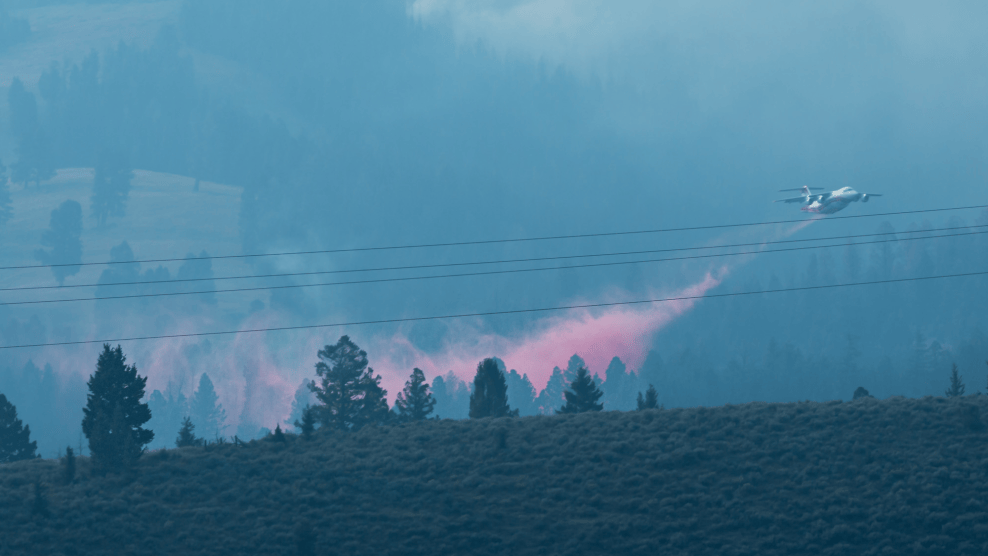
Recent reporting highlights the accelerating integration of artificial intelligence, unmanned aerial vehicles, and robotic systems into wildfire response operations. Emergency services are increasingly relying on these technologies for real-time data analysis, precise mapping, and hazardous environment navigation. This shift aims to enhance operational safety, reduce response times, and improve decision-making accuracy during complex disaster scenarios. The narrative underscores a broader transformation in emergency management, where traditional firefighting methods are being augmented by advanced digital tools and automated systems to address escalating climate-driven fire risks.
Indicative index of skill mentions in professional job postings for the field this story moves (2019 = 1)
What this means
for your career.
Every headline redistributes opportunity. Here is who this one rewards — and how to be on the right side of it.
This technological shift significantly elevates the demand for specialists in data analytics, robotics engineering, and emergency logistics. If you work in public safety or technology, you must now understand how AI augments operational decision-making. Focus on acquiring skills in geospatial data analysis and drone operations. Professionals in project management should explore how to integrate these complex systems into existing workflows. To stay competitive, pursue certifications in crisis management and artificial intelligence applications. You should also develop interdisciplinary knowledge, bridging technical expertise with practical emergency response protocols. Ignoring this trend risks professional obsolescence in sectors reliant on rapid, data-driven intervention.
For this story, the fields that convert it into pay are Artificial Intelligence, Crisis Management, Data Science and Engineering — exactly the programmes matched below. The chart shows the indicative salary uplift certified professionals report in each of those fields; every one of them is a click away, from £79, finishing in as few as 20 days.
Indicative ranges from published continuing-education salary studies, by field — each field is a recommended course below
Enrol in these
to benefit.
These programmes position you for exactly this shift — online, self-paced, and finishing with a verifiable certificate you can share the day you pass.
 Best match
Certificate in Artificial Intelligence
 Recommended
Certificate in Crisis Management
 Recommended
Certificate in Data Science
 Recommended
Certificate in Engineering
Launch pricing shown against standard certificate value. The fee you see today is the fee you lock in.
This briefing is based on reporting by Mother Jones on 3 Oct, 11:29. Read the original coverage →
Read the news. Then outrun it.
Every OnlineUni programme is online, self-paced and from £79 — so a headline today can be your credential this month.