
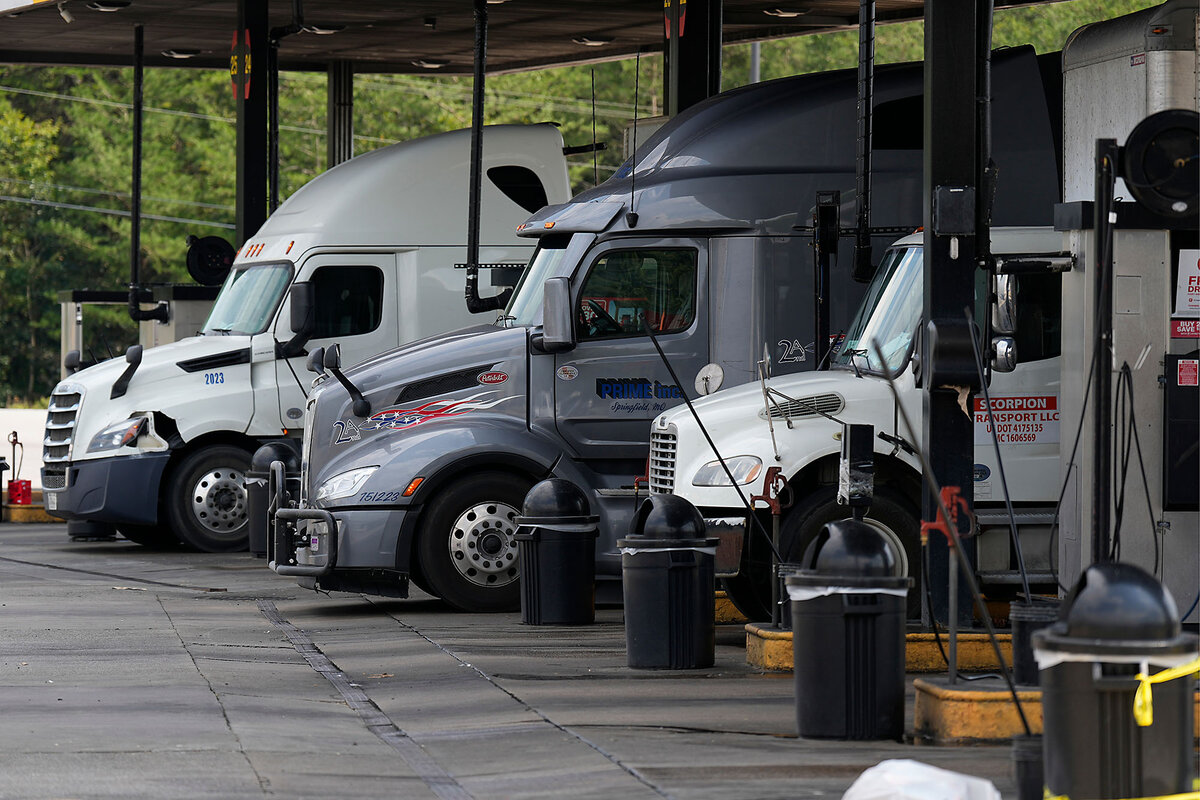
The price of diesel keeps rising. Why it’s about to hit American consumers.
Diesel prices continue their upward trajectory, driven by global supply constraints and elevated operational costs within the energy sector.
The story
in brief.
What happened, who it affects, and why it landed on our intelligence desk — in plain English, sixty seconds or less.
Diesel prices continue their upward trajectory, driven by global supply constraints and elevated operational costs within the energy sector. This report details how these escalating input expenses are rapidly transferring to American consumers through higher freight and logistics charges. The analysis highlights the immediate economic pressure on households and businesses reliant on road transport, illustrating a broader trend of inflationary impact stemming from fuel volatility. Professionals must recognise this as a structural shift affecting cost bases across multiple industries, necessitating a clear understanding of how energy markets directly influence consumer pricing and supply chain efficiency in the current economic climate.
Indicative index of skill mentions in professional job postings for the field this story moves (2019 = 1)
What this means
for your career.
Every headline redistributes opportunity. Here is who this one rewards — and how to be on the right side of it.
You must adapt to a landscape where logistics costs are volatile and rising. This development elevates the value of skills in cost optimisation, supply chain resilience, and strategic procurement. If you work in operations or finance, you should immediately review your exposure to transport expenses and explore hedging strategies. Professionals in retail or manufacturing need to understand how to pass these costs on without losing market share. A smart next step is to deepen your expertise in risk management and data analytics to forecast price trends accurately. Consider upskilling in sustainability management, as energy efficiency becomes a critical financial lever. You should also monitor policy changes that may affect fuel taxes. By mastering these areas, you position yourself as a strategic asset capable of navigating economic uncertainty and protecting your organisation’s bottom line against external market shocks.
For this story, the fields that convert it into pay are Supply Chain, Risk Management Strategies, Sustainability management and Finance and Accounting — exactly the programmes matched below. The chart shows the indicative salary uplift certified professionals report in each of those fields; every one of them is a click away, from £79, finishing in as few as 20 days.
Indicative ranges from published continuing-education salary studies, by field — each field is a recommended course below
Enrol in these
to benefit.
These programmes position you for exactly this shift — online, self-paced, and finishing with a verifiable certificate you can share the day you pass.
 Best match
Certificate in Supply Chain
 Recommended
Certificate in Risk Management Strategies
Recommended
Certificate in Sustainability management
 Recommended
Certificate in Finance and Accounting
Launch pricing shown against standard certificate value. The fee you see today is the fee you lock in.
This briefing is based on reporting by The Christian Science Monitor on 19 Sep, 04:00. Read the original coverage →
Read the news. Then outrun it.
Every OnlineUni programme is online, self-paced and from £79 — so a headline today can be your credential this month.