
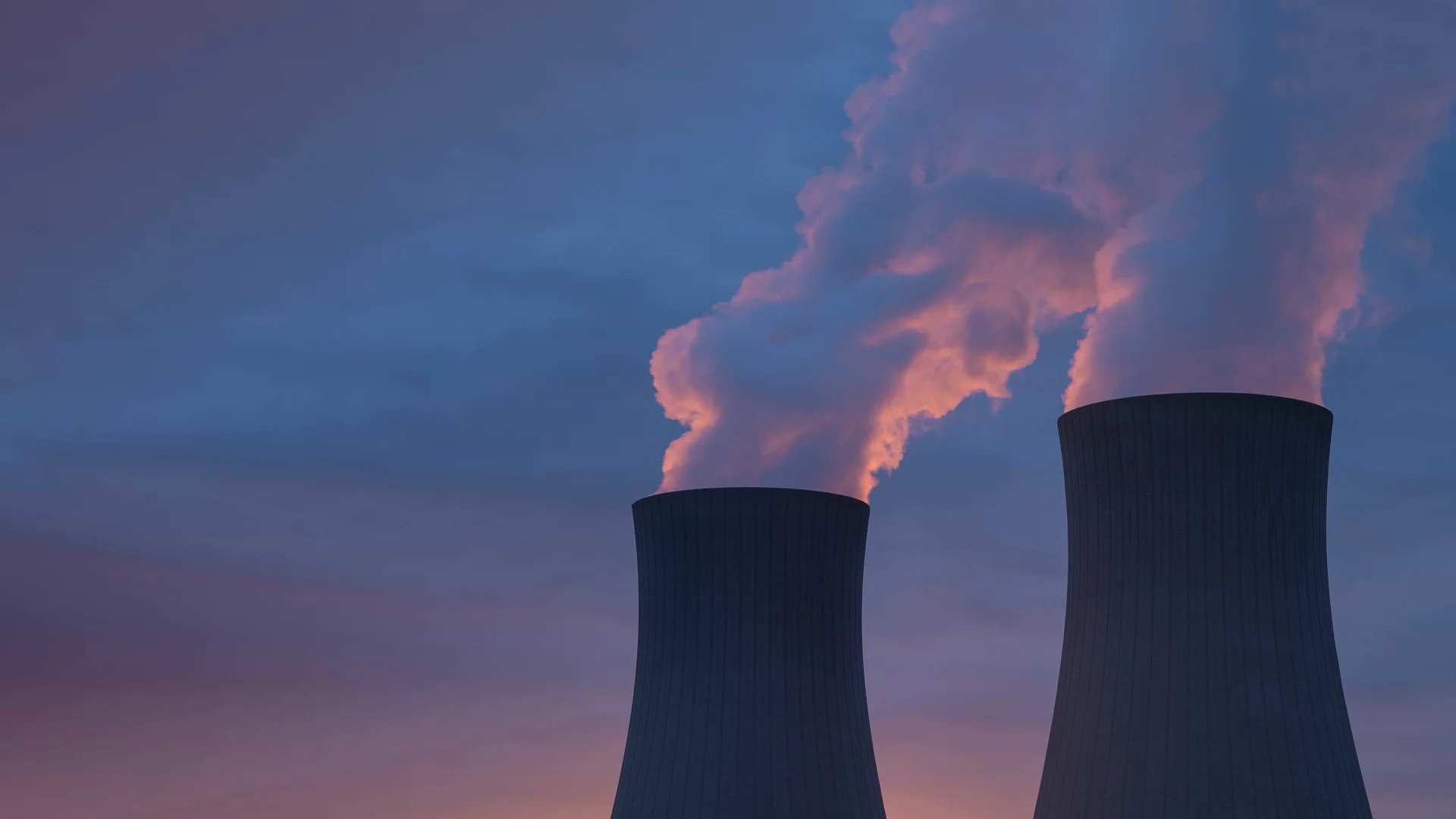
The UAE nuclear paradigm: navigating expansion, advanced technologies and geopolitics
The United Arab Emirates is actively expanding its nuclear energy infrastructure while integrating advanced technologies and navigating complex geopolitical landscapes.
The story
in brief.
What happened, who it affects, and why it landed on our intelligence desk — in plain English, sixty seconds or less.
The United Arab Emirates is actively expanding its nuclear energy infrastructure while integrating advanced technologies and navigating complex geopolitical landscapes. This development highlights the nation’s strategic shift towards sustainable power generation and technological self-reliance. The story outlines the regulatory frameworks, international partnerships, and technical innovations driving this expansion. It underscores the growing importance of nuclear expertise in the Gulf region, reflecting broader trends in energy diversification and high-tech industrial growth. Professionals should note the increasing demand for specialised knowledge in nuclear engineering, regulatory compliance, and international project management within this rapidly evolving sector.
Indicative index of skill mentions in professional job postings for the field this story moves (2019 = 1)
What this means
for your career.
Every headline redistributes opportunity. Here is who this one rewards — and how to be on the right side of it.
This shift signals a critical opportunity for professionals in energy and infrastructure. You must prioritise skills in regulatory compliance and international project management, as navigating complex geopolitical frameworks becomes essential. Engineers and technical specialists should deepen their expertise in advanced nuclear technologies and safety protocols. If you work in finance or law, focus on understanding cross-border investment regulations and risk mitigation strategies. Smart professionals will immediately review current compliance standards and seek certifications in project governance. Networking with firms specialising in Middle Eastern infrastructure projects is now vital. You should also monitor developments in sustainable energy policy to anticipate future regulatory changes. Proactively acquiring knowledge in nuclear safety and international trade law will position you advantageously. Do not ignore the soft skills required for cross-cultural negotiation, as these projects involve diverse international stakeholders. Your career resilience depends on adapting to this high-stakes, highly regulated environment.
For this story, the fields that convert it into pay are Engineering, Project Management, Compliance And Governance and Risk Management Strategies — exactly the programmes matched below. The chart shows the indicative salary uplift certified professionals report in each of those fields; every one of them is a click away, from £79, finishing in as few as 20 days.
Indicative ranges from published continuing-education salary studies, by field — each field is a recommended course below
Enrol in these
to benefit.
These programmes position you for exactly this shift — online, self-paced, and finishing with a verifiable certificate you can share the day you pass.
 Best match
Certificate in Engineering
 Recommended
Certificate in Project Management
 Recommended
Certificate in Compliance And Governance
Recommended
Certificate in Risk Management Strategies
Launch pricing shown against standard certificate value. The fee you see today is the fee you lock in.
This briefing is based on reporting by Stephenson Harwood on 30 Sep, 12:12. Read the original coverage →
Read the news. Then outrun it.
Every OnlineUni programme is online, self-paced and from £79 — so a headline today can be your credential this month.