
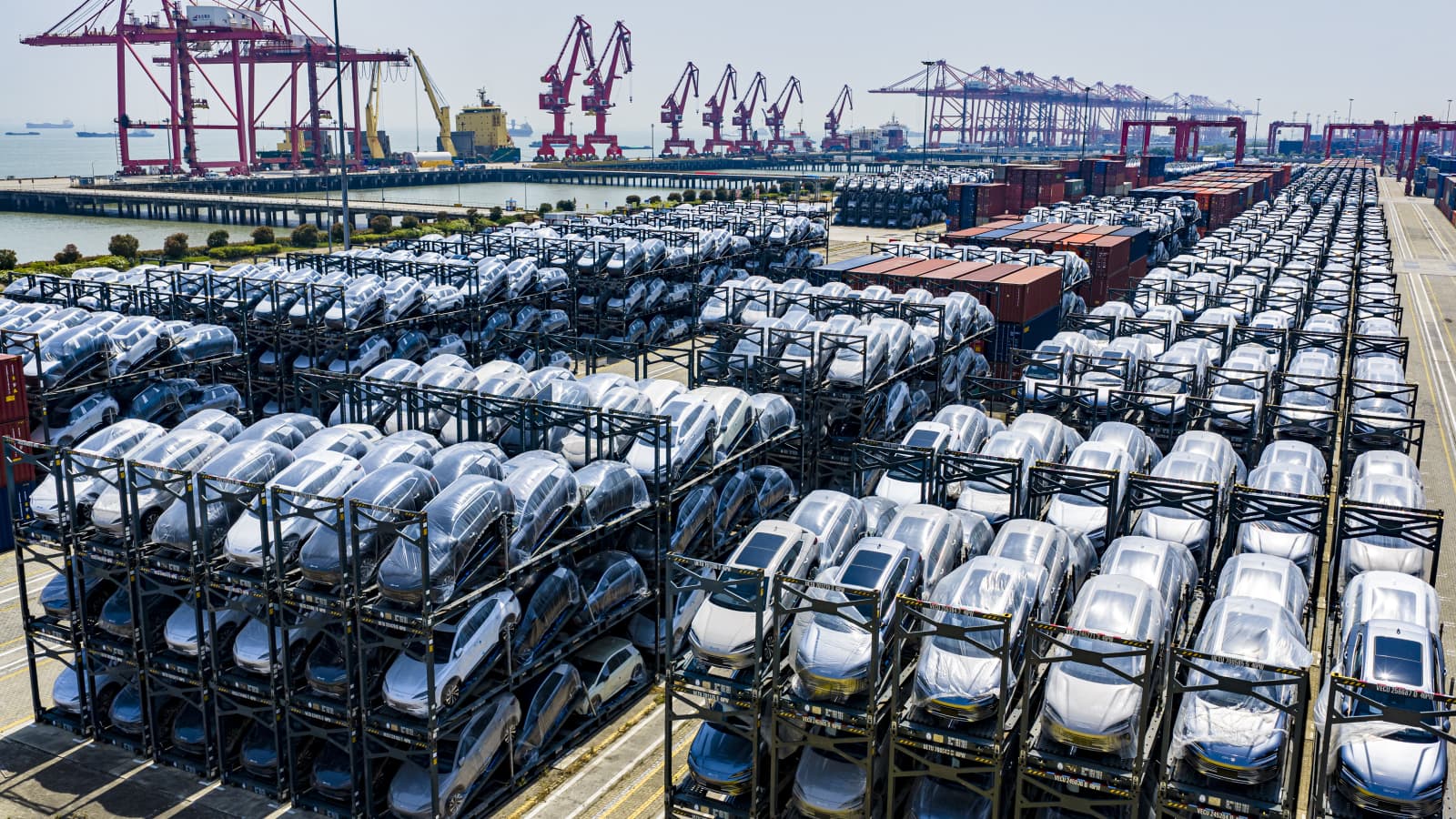
The U.S. is trying to reduce its reliance on China for batteries. Here's what it's up against
The United States is actively attempting to decrease its dependence on Chinese battery supply chains, driven by geopolitical tensions and energy security concerns.
The story
in brief.
What happened, who it affects, and why it landed on our intelligence desk — in plain English, sixty seconds or less.
The United States is actively attempting to decrease its dependence on Chinese battery supply chains, driven by geopolitical tensions and energy security concerns. However, significant challenges remain, including high domestic production costs, complex regulatory hurdles, and the entrenched efficiency of existing Asian manufacturing networks. This shift requires substantial investment in local infrastructure and workforce development. For professionals, this signals a strategic pivot in global energy markets, highlighting the growing importance of resilient supply chains and domestic industrial policy in the transition to sustainable energy sources.
Indicative index of skill mentions in professional job postings for the field this story moves (2019 = 1)
What this means
for your career.
Every headline redistributes opportunity. Here is who this one rewards — and how to be on the right side of it.
This geopolitical shift creates immediate demand for expertise in supply chain resilience and strategic risk management. If you work in logistics, engineering, or policy, you must now prioritise understanding domestic manufacturing constraints and regulatory frameworks. Professionals should upskill in sustainability management and supply chain optimisation to navigate these disruptions. Consider specialising in battery technology lifecycle analysis or public-private partnership strategies. Monitor legislative developments closely, as compliance will become a critical competency. Proactively network with industry leaders in renewable energy and automotive sectors. Your ability to mitigate supply chain risks while maintaining cost efficiency will distinguish you. Prepare to advise organisations on diversifying sourcing strategies and investing in localised production capabilities to secure long-term operational stability.
For this story, the fields that convert it into pay are Supply Chain, Sustainability management, Risk Management Strategies and Engineering — exactly the programmes matched below. The chart shows the indicative salary uplift certified professionals report in each of those fields; every one of them is a click away, from £79, finishing in as few as 20 days.
Indicative ranges from published continuing-education salary studies, by field — each field is a recommended course below
Enrol in these
to benefit.
These programmes position you for exactly this shift — online, self-paced, and finishing with a verifiable certificate you can share the day you pass.
 Best match
Certificate in Supply Chain
Recommended
Certificate in Sustainability management
 Recommended
Certificate in Risk Management Strategies
Recommended
Certificate in Engineering
Launch pricing shown against standard certificate value. The fee you see today is the fee you lock in.
This briefing is based on reporting by CNBC on 8 Sep, 11:00. Read the original coverage →
Read the news. Then outrun it.
Every OnlineUni programme is online, self-paced and from £79 — so a headline today can be your credential this month.