
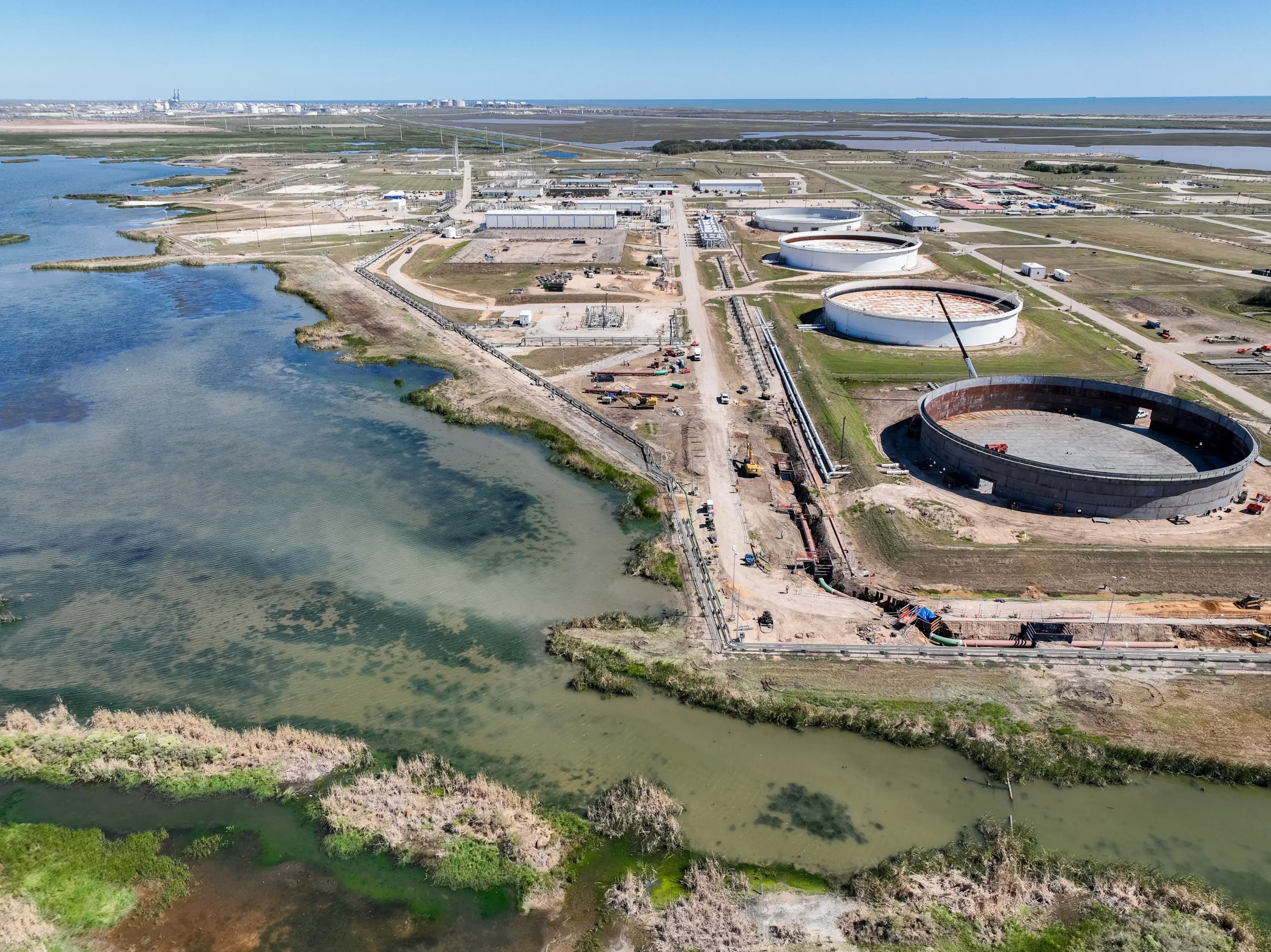
The U.S. Strategic Petroleum Reserve is low. Here’s why you should care
The United States Strategic Petroleum Reserve has reached historically low levels, prompting national concern regarding energy security and potential market volatility.
The story
in brief.
What happened, who it affects, and why it landed on our intelligence desk — in plain English, sixty seconds or less.
The United States Strategic Petroleum Reserve has reached historically low levels, prompting national concern regarding energy security and potential market volatility. This depletion reflects sustained government releases aimed at stabilising consumer fuel prices following recent geopolitical disruptions. For professionals, this signals a tightening of domestic energy buffers, increasing the likelihood of supply chain constraints and price fluctuations in the short to medium term. The situation underscores the fragility of global energy markets and the critical need for robust contingency planning across industries reliant on stable fuel costs and uninterrupted logistical operations.
Indicative index of skill mentions in professional job postings for the field this story moves (2019 = 1)
What this means
for your career.
Every headline redistributes opportunity. Here is who this one rewards — and how to be on the right side of it.
You must recognise that energy instability directly impacts operational costs and strategic planning. Professionals in logistics, procurement, and finance should prioritise skills in risk mitigation and scenario planning. If you manage supply chains, deepen your expertise in alternative sourcing and inventory optimisation to buffer against price shocks. Finance leaders must enhance their ability to model volatile commodity costs into long-term forecasts. Consider upskilling in crisis management to navigate sudden market shifts effectively. Proactively review your organisation’s energy dependencies and identify vulnerabilities. By mastering these areas, you position yourself as a strategic asset capable of safeguarding business continuity during periods of macroeconomic uncertainty and resource scarcity.
For this story, the fields that convert it into pay are Supply Chain, Risk Management Strategies, Crisis Management and AI in Energy — exactly the programmes matched below. The chart shows the indicative salary uplift certified professionals report in each of those fields; every one of them is a click away, from £79, finishing in as few as 20 days.
Indicative ranges from published continuing-education salary studies, by field — each field is a recommended course below
Enrol in these
to benefit.
These programmes position you for exactly this shift — online, self-paced, and finishing with a verifiable certificate you can share the day you pass.
 Best match
Certificate in Supply Chain
 Recommended
Certificate in Risk Management Strategies
 Recommended
Certificate in Crisis Management
 Recommended
Certificate in AI in Energy
Launch pricing shown against standard certificate value. The fee you see today is the fee you lock in.
This briefing is based on reporting by Houston Public Media on 25 Sep, 13:41. Read the original coverage →
Read the news. Then outrun it.
Every OnlineUni programme is online, self-paced and from £79 — so a headline today can be your credential this month.