
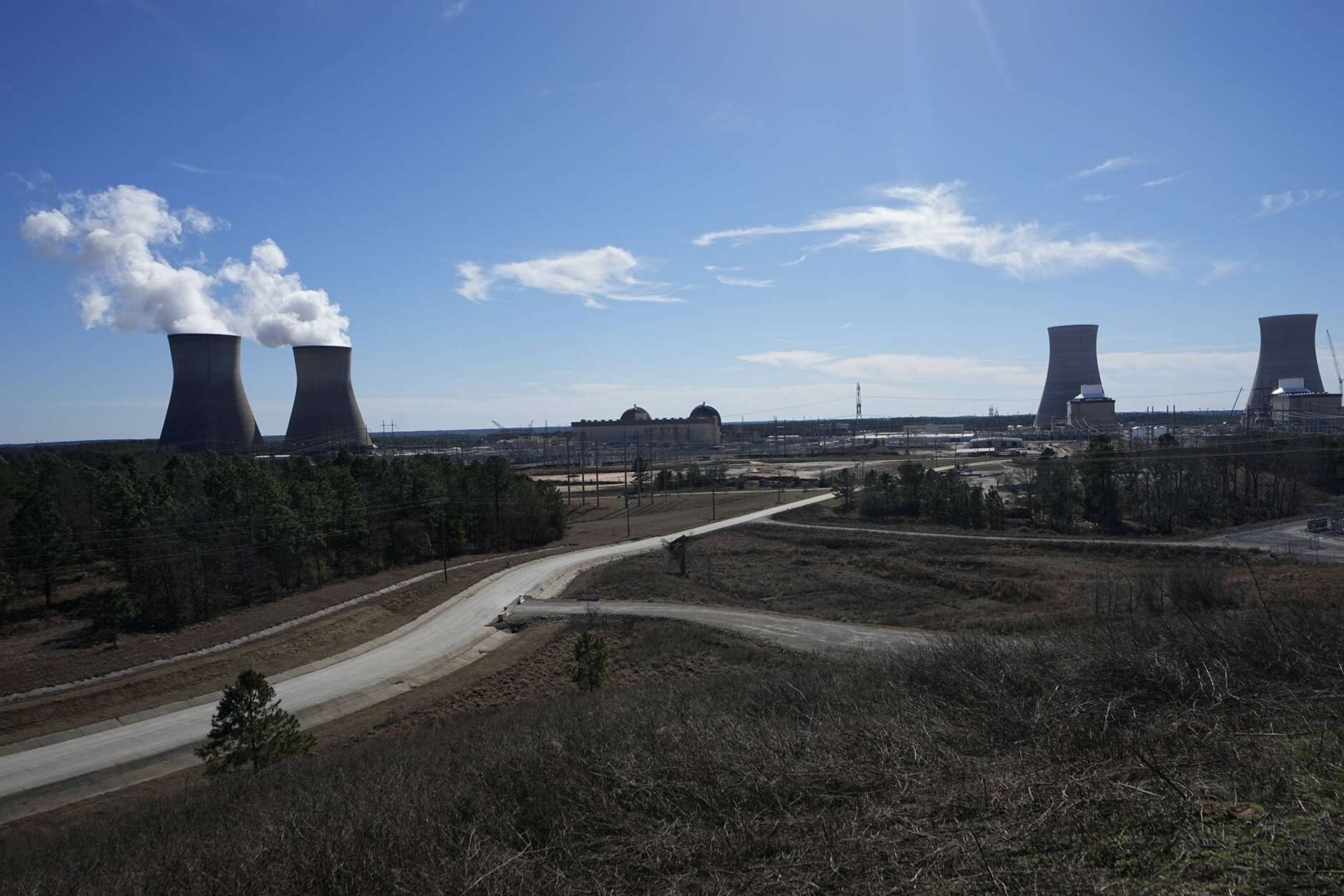
The world is building more nuclear power plants at the same time geopolitical tensions are growing
Global investment in nuclear energy infrastructure is accelerating, coinciding with heightened geopolitical instability.
The story
in brief.
What happened, who it affects, and why it landed on our intelligence desk — in plain English, sixty seconds or less.
Global investment in nuclear energy infrastructure is accelerating, coinciding with heightened geopolitical instability. This dual trend suggests that nations are prioritising energy security and independence over short-term cost efficiencies. The expansion of nuclear capacity requires substantial long-term capital and complex regulatory navigation. Consequently, the sector is becoming a focal point for international strategic competition. Professionals must recognise that this shift is not merely technical but deeply political, affecting supply chains, security protocols, and international cooperation frameworks significantly.
Indicative index of skill mentions in professional job postings for the field this story moves (2019 = 1)
What this means
for your career.
Every headline redistributes opportunity. Here is who this one rewards — and how to be on the right side of it.
You should anticipate a surge in demand for professionals who can navigate complex regulatory environments and manage high-stakes international projects. Skills in nuclear engineering, compliance, and geopolitical risk analysis will rise sharply in value. If you work in energy, finance, or public policy, you must now understand the intersection of infrastructure development and national security. Smart professionals will upskill in regulatory compliance and project management for large-scale capital projects. You should also monitor international relations closely, as trade barriers may impact supply chains. Consider specialising in energy security or nuclear safety standards to position yourself as an indispensable asset in this evolving landscape. Proactive learning in these areas will differentiate you from peers who ignore the strategic dimensions of energy infrastructure.
For this story, the fields that convert it into pay are Engineering, Compliance And Governance, Risk Management Strategies and Sustainability management — exactly the programmes matched below. The chart shows the indicative salary uplift certified professionals report in each of those fields; every one of them is a click away, from £79, finishing in as few as 20 days.
Indicative ranges from published continuing-education salary studies, by field — each field is a recommended course below
Enrol in these
to benefit.
These programmes position you for exactly this shift — online, self-paced, and finishing with a verifiable certificate you can share the day you pass.
 Best match
Certificate in Engineering
 Recommended
Certificate in Compliance And Governance
Recommended
Certificate in Risk Management Strategies
 Recommended
Certificate in Sustainability management
Launch pricing shown against standard certificate value. The fee you see today is the fee you lock in.
This briefing is based on reporting by Federal News Network on 7 Oct, 18:35. Read the original coverage →
Read the news. Then outrun it.
Every OnlineUni programme is online, self-paced and from £79 — so a headline today can be your credential this month.