
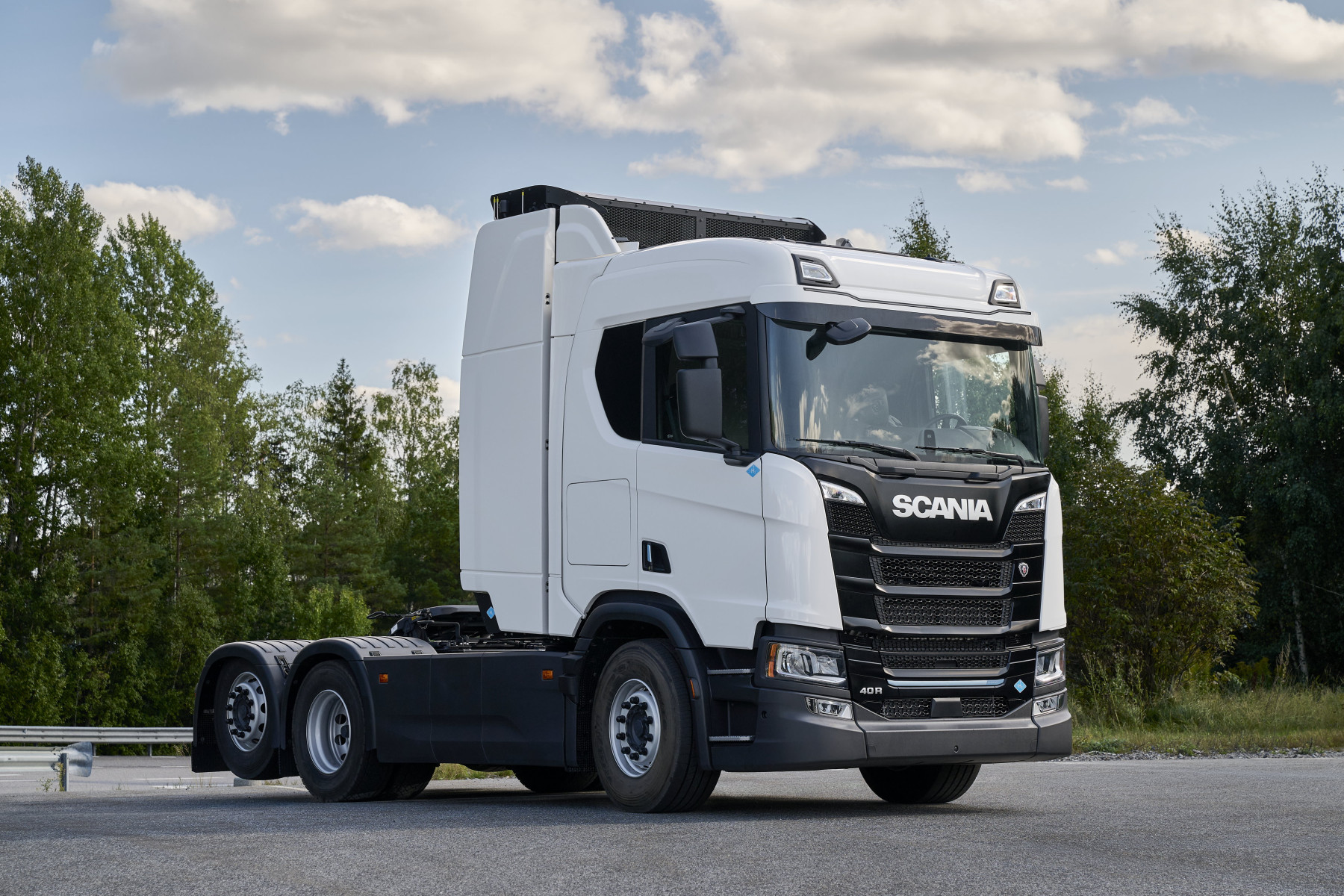
Toyota and Scania collaborate to test hydrogen fuel cell technology in heavy-duty transport
Toyota and Scania have announced a strategic collaboration to test hydrogen fuel cell technology specifically for heavy-duty transport applications.
The story
in brief.
What happened, who it affects, and why it landed on our intelligence desk — in plain English, sixty seconds or less.
Toyota and Scania have announced a strategic collaboration to test hydrogen fuel cell technology specifically for heavy-duty transport applications. This partnership aims to evaluate the viability of hydrogen as a sustainable energy source for large commercial vehicles, addressing the significant challenge of decarbonising freight logistics. The initiative focuses on practical field testing to gather operational data, rather than immediate mass production. It highlights a growing industry consensus that hydrogen may play a crucial role alongside battery electric solutions in achieving net-zero emissions for sectors where electrification faces technical limitations, such as long-haul trucking.
Indicative index of skill mentions in professional job postings for the field this story moves (2019 = 1)
What this means
for your career.
Every headline redistributes opportunity. Here is who this one rewards — and how to be on the right side of it.
This shift signals a critical pivot in the logistics and automotive sectors, elevating the value of expertise in alternative fuels and sustainable supply chains. If you work in engineering, procurement, or logistics strategy, you must now understand hydrogen infrastructure and regulatory frameworks. Professionals in corporate sustainability will see increased demand for skills in carbon accounting and green technology integration. A smart move is to upskill in hydrogen systems engineering or sustainable supply chain management. Monitor regulatory changes in Europe regarding heavy goods vehicles. Consider certifications in green logistics to future-proof your career. Ignoring this transition risks obsolescence as industries rapidly decarbonise. Engage with cross-functional teams to understand how hydrogen impacts operational costs and timelines. Proactively learn about fuel cell technology to lead rather than follow this market change.
For this story, the fields that convert it into pay are Sustainability management, Supply Chain, Engineering and AI in Automotive — exactly the programmes matched below. The chart shows the indicative salary uplift certified professionals report in each of those fields; every one of them is a click away, from £79, finishing in as few as 20 days.
Indicative ranges from published continuing-education salary studies, by field — each field is a recommended course below
Enrol in these
to benefit.
These programmes position you for exactly this shift — online, self-paced, and finishing with a verifiable certificate you can share the day you pass.
 Best match
Certificate in Sustainability management
Recommended
Certificate in Supply Chain
 Recommended
Certificate in Engineering
 Recommended
Certificate in AI in Automotive
Launch pricing shown against standard certificate value. The fee you see today is the fee you lock in.
This briefing is based on reporting by Newsroom Toyota Europe on 7 Sep, 12:00. Read the original coverage →
Read the news. Then outrun it.
Every OnlineUni programme is online, self-paced and from £79 — so a headline today can be your credential this month.