
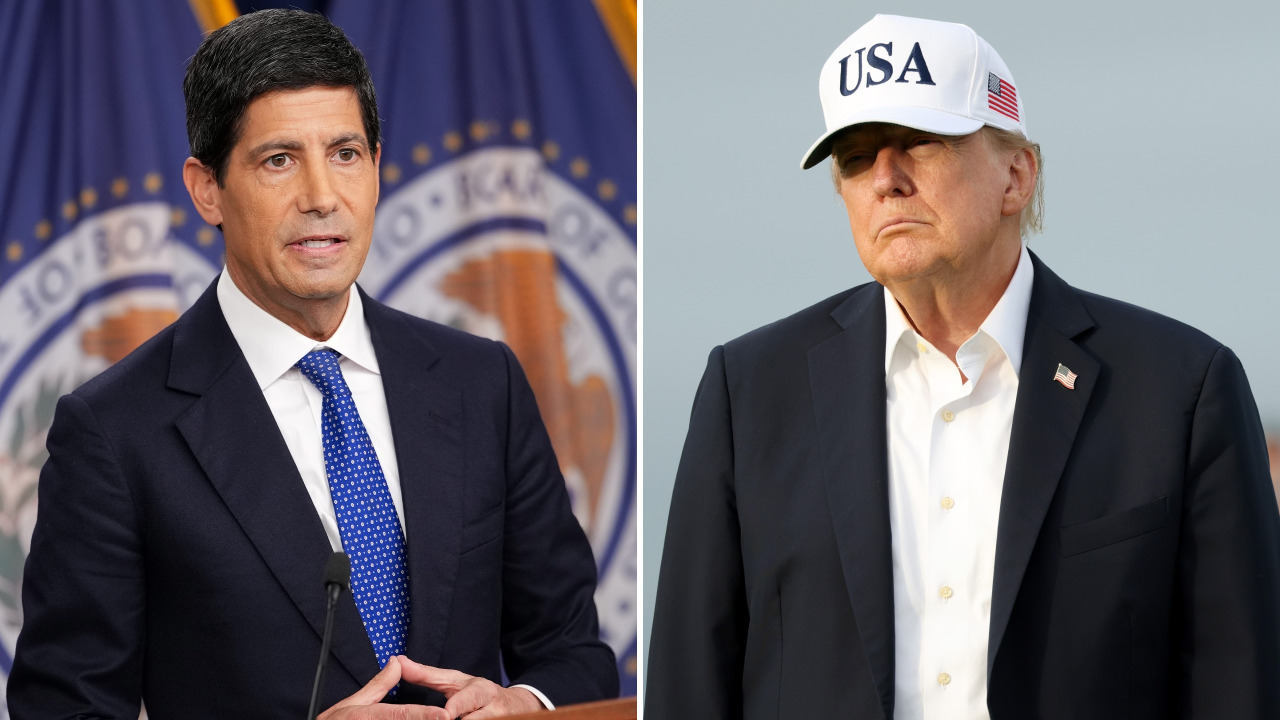
Trump demands 1% rates because the US has the ‘Best Credit in the World’ — the Fed hiked rates anyway. So who’s right?
Recent reports highlight a significant policy divergence between the White House and the Federal Reserve regarding monetary policy.
The story
in brief.
What happened, who it affects, and why it landed on our intelligence desk — in plain English, sixty seconds or less.
Recent reports highlight a significant policy divergence between the White House and the Federal Reserve regarding monetary policy. Former President Trump advocated for one percent interest rates, citing superior US creditworthiness. Conversely, the Federal Reserve proceeded with rate hikes, prioritising inflation control and economic stability over political pressure. This conflict underscores the complex interplay between political rhetoric and independent central banking. For professionals, this signals continued economic volatility and the necessity of understanding macroeconomic indicators. The disconnect suggests that future financial conditions may remain unpredictable, requiring agile strategic planning and a deep comprehension of how monetary policy directly influences corporate investment, borrowing costs, and broader market sentiment across various industries.
Indicative index of skill mentions in professional job postings for the field this story moves (2019 = 1)
What this means
for your career.
Every headline redistributes opportunity. Here is who this one rewards — and how to be on the right side of it.
You must navigate an environment where political noise often obscures economic reality. This divergence elevates the value of professionals who can interpret monetary policy independently of headlines. Focus on strengthening your financial literacy and risk assessment capabilities. If you work in finance, emphasise scenario planning to prepare for fluctuating interest rates. For leaders in other sectors, understand how borrowing costs impact your budget and growth strategies. Prioritise data-driven decision-making over political speculation. Develop skills in financial modelling to forecast cash flow under varying rate environments. Stay informed on Fed communications, not just political statements. This resilience will make you indispensable. Smart professionals will now invest in understanding macroeconomic trends, ensuring their organisations remain agile despite external policy conflicts.
For this story, the fields that convert it into pay are Finance and Accounting, Risk Management Strategies, Financial Modeling and Business And Management — exactly the programmes matched below. The chart shows the indicative salary uplift certified professionals report in each of those fields; every one of them is a click away, from £79, finishing in as few as 20 days.
Indicative ranges from published continuing-education salary studies, by field — each field is a recommended course below
Enrol in these
to benefit.
These programmes position you for exactly this shift — online, self-paced, and finishing with a verifiable certificate you can share the day you pass.
 Best match
Certificate in Finance and Accounting
 Recommended
Certificate in Risk Management Strategies
 Recommended
Certificate in Financial Modeling
Recommended
Certificate in Business And Management
Launch pricing shown against standard certificate value. The fee you see today is the fee you lock in.
This briefing is based on reporting by Yahoo Finance on 21 Sep, 15:30. Read the original coverage →
Read the news. Then outrun it.
Every OnlineUni programme is online, self-paced and from £79 — so a headline today can be your credential this month.