
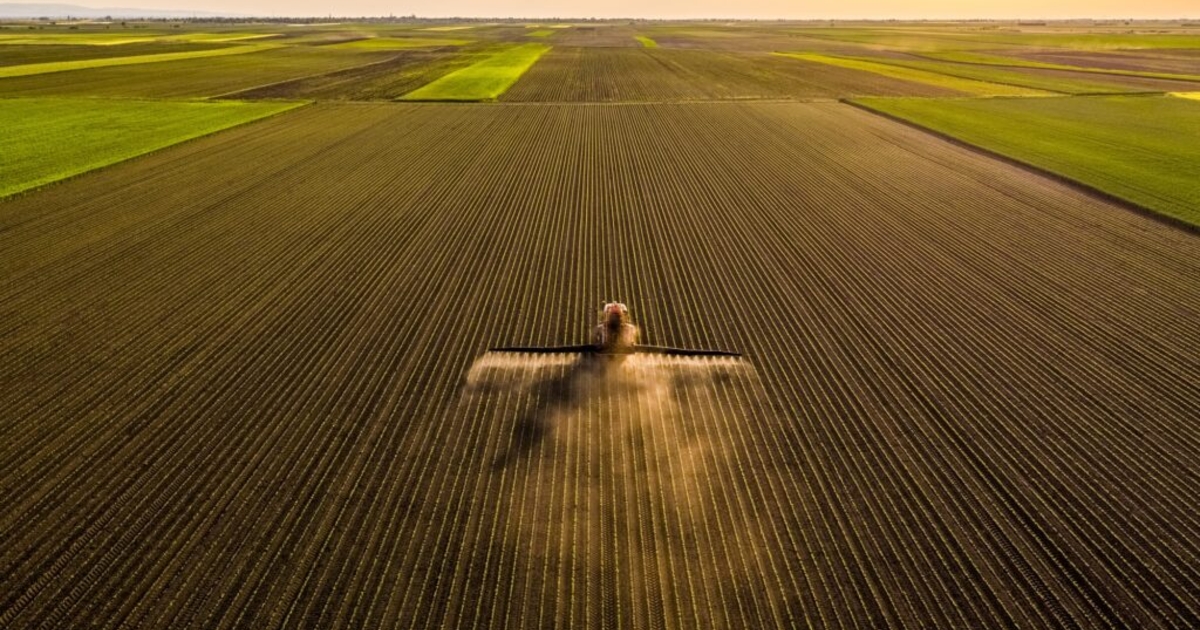
Trump drone tariffs target a technology still used unevenly across US farms
Recent policy announcements introduce tariffs on imported drones, targeting a technology that remains inconsistently adopted across United States agricultural sectors.
The story
in brief.
What happened, who it affects, and why it landed on our intelligence desk — in plain English, sixty seconds or less.
Recent policy announcements introduce tariffs on imported drones, targeting a technology that remains inconsistently adopted across United States agricultural sectors. The measure aims to reshape the domestic market for unmanned aerial systems, which are increasingly vital for precision farming yet face uneven usage rates. This development highlights the regulatory scrutiny facing agri-tech hardware and signals potential shifts in procurement strategies for farming operations. Professionals in agriculture and technology must monitor how these trade barriers influence equipment costs, supply chain dynamics, and the broader adoption trajectory of drone-based solutions in the farming industry.
Indicative index of skill mentions in professional job postings for the field this story moves (2019 = 1)
What this means
for your career.
Every headline redistributes opportunity. Here is who this one rewards — and how to be on the right side of it.
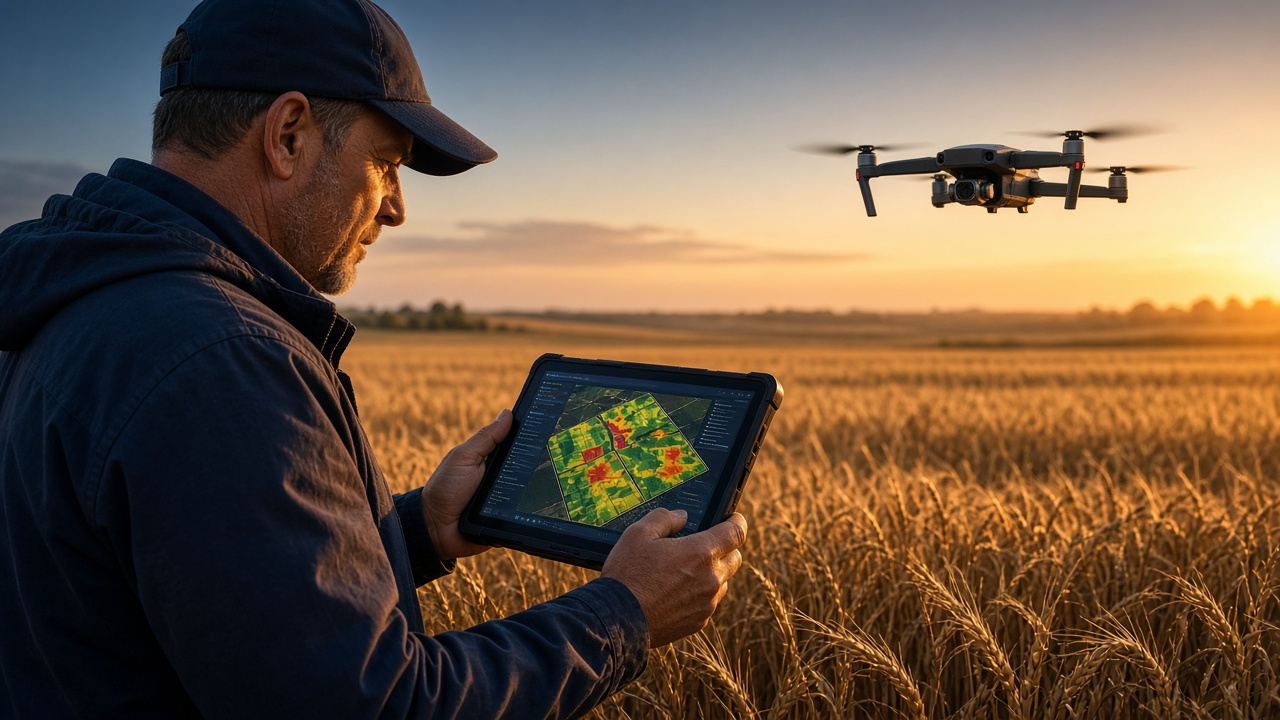
You must anticipate how trade policy reshapes technology adoption in agriculture. As drone costs fluctuate, expertise in navigating complex supply chains and regulatory compliance becomes critical. Professionals in agri-tech, procurement, and policy analysis should sharpen their skills in risk assessment and strategic sourcing. Consider upskilling in AI applications for agriculture to understand how data-driven insights mitigate hardware dependency. If you operate in farming or tech sales, prepare for increased scrutiny on import dependencies. A smart move is to analyse how local manufacturing incentives might offset tariff impacts. Engage with industry groups to track policy evolution. By positioning yourself as a specialist in agri-tech resilience, you become indispensable to organisations navigating this volatile landscape. Prioritise understanding the intersection of trade policy and technological infrastructure to stay ahead.
For this story, the fields that convert it into pay are Supply Chain, AI in Agriculture, Risk Management Strategies and Business And Management — exactly the programmes matched below. The chart shows the indicative salary uplift certified professionals report in each of those fields; every one of them is a click away, from £79, finishing in as few as 20 days.
Indicative ranges from published continuing-education salary studies, by field — each field is a recommended course below
Enrol in these
to benefit.
These programmes position you for exactly this shift — online, self-paced, and finishing with a verifiable certificate you can share the day you pass.
 Best match
Certificate in Supply Chain
 Recommended
Certificate in AI in Agriculture
 Recommended
Certificate in Risk Management Strategies
Recommended
Certificate in Business And Management
Launch pricing shown against standard certificate value. The fee you see today is the fee you lock in.
This briefing is based on reporting by News From The States on 12 Sep, 10:00. Read the original coverage →
Read the news. Then outrun it.
Every OnlineUni programme is online, self-paced and from £79 — so a headline today can be your credential this month.