
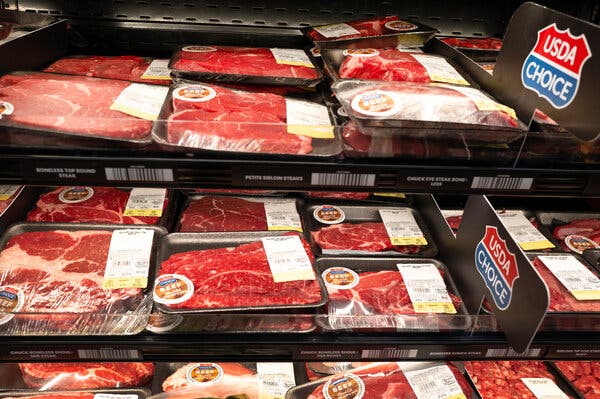
Trump Seeks ‘Made in U.S.A.’ Labels on Beef as Import Rule Angers Ranchers
The Trump administration is proposing new regulations requiring beef products to display 'Made in U.S.A.' labels, a move intended to support domestic agriculture.
The story
in brief.
What happened, who it affects, and why it landed on our intelligence desk — in plain English, sixty seconds or less.
The Trump administration is proposing new regulations requiring beef products to display 'Made in U.S.A.' labels, a move intended to support domestic agriculture. This policy shift has provoked significant backlash from ranchers and industry stakeholders, who argue that the strict import rules complicate existing supply chains and increase operational costs. The initiative highlights ongoing tensions between protectionist trade policies and the practical realities of globalised agricultural markets. Professionals in food production, trade compliance, and international logistics must now navigate these emerging regulatory hurdles while assessing potential disruptions to cross-border commerce and domestic market dynamics.
Indicative index of skill mentions in professional job postings for the field this story moves (2019 = 1)
What this means
for your career.
Every headline redistributes opportunity. Here is who this one rewards — and how to be on the right side of it.
This policy shift demands immediate attention from professionals in supply chain, trade compliance, and agricultural management. You must anticipate tighter regulatory scrutiny and potential disruptions to cross-border logistics. Specialists in trade law and compliance will see rising demand as companies scramble to adapt labelling processes and verify origin claims. If you work in procurement or operations, you should review your supplier contracts for origin clauses and assess alternative domestic sourcing options. Smart professionals will upskill in regulatory compliance and supply chain resilience to mitigate risk. Proactively understanding these trade dynamics positions you to advise stakeholders effectively, ensuring your organisation remains agile amidst shifting political landscapes and evolving international trade requirements.
For this story, the fields that convert it into pay are Supply Chain, Compliance And Governance, Law and Risk Management Strategies — exactly the programmes matched below. The chart shows the indicative salary uplift certified professionals report in each of those fields; every one of them is a click away, from £79, finishing in as few as 20 days.
Indicative ranges from published continuing-education salary studies, by field — each field is a recommended course below
Enrol in these
to benefit.
These programmes position you for exactly this shift — online, self-paced, and finishing with a verifiable certificate you can share the day you pass.
 Best match
Certificate in Supply Chain
 Recommended
Certificate in Compliance And Governance
Recommended
Certificate in Law
 Recommended
Certificate in Risk Management Strategies
Launch pricing shown against standard certificate value. The fee you see today is the fee you lock in.
This briefing is based on reporting by The New York Times on 17 Sep, 18:23. Read the original coverage →
Read the news. Then outrun it.
Every OnlineUni programme is online, self-paced and from £79 — so a headline today can be your credential this month.