
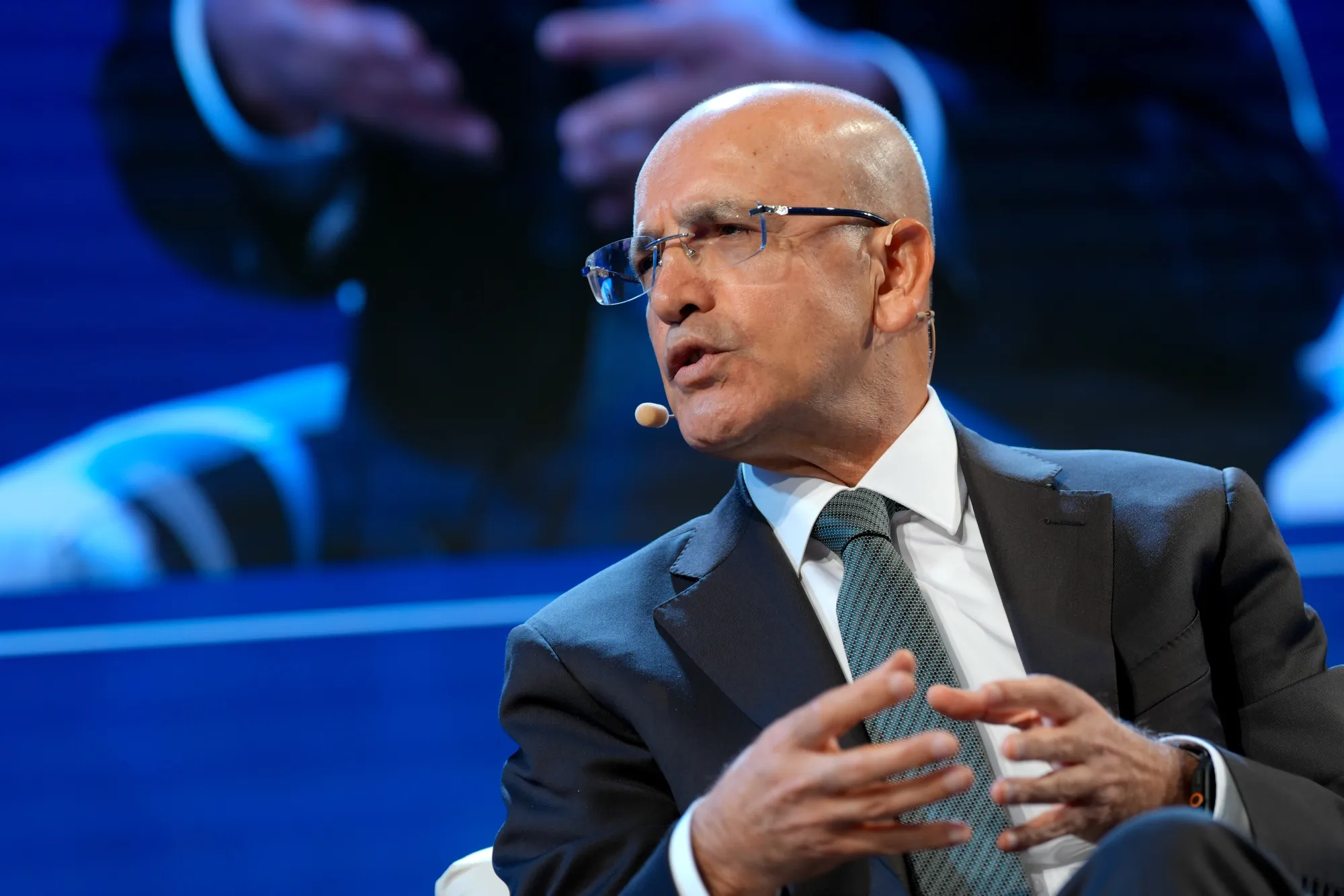
Turkey Finance Chief Mehmet Simsek Rules Out Loose Policies Ahead of 2028 Vote
Turkey’s Finance Minister Mehmet Simsek has explicitly ruled out adopting loose monetary or fiscal policies in the lead-up to the 2028 general election.
The story
in brief.
What happened, who it affects, and why it landed on our intelligence desk — in plain English, sixty seconds or less.
Turkey’s Finance Minister Mehmet Simsek has explicitly ruled out adopting loose monetary or fiscal policies in the lead-up to the 2028 general election. This statement signals a commitment to maintaining economic stability and controlling inflation, rather than using stimulus measures to boost short-term growth for political gain. The move suggests a prioritisation of long-term macroeconomic health over immediate electoral popularity. For professionals operating within or alongside the Turkish economy, this indicates a continued environment of disciplined financial management, potentially affecting investment flows, currency stability, and regulatory expectations in the coming years.
Indicative index of skill mentions in professional job postings for the field this story moves (2019 = 1)
What this means
for your career.
Every headline redistributes opportunity. Here is who this one rewards — and how to be on the right side of it.
This policy stance signals that financial discipline and risk mitigation will remain paramount in the Turkish market. You should prioritise skills in financial modelling and compliance, as organisations will focus on stability rather than aggressive expansion. Professionals in finance, accounting, and strategic planning need to deepen their expertise in navigating tight monetary conditions. If you work with Turkish markets, update your risk assessments to reflect sustained conservative policies. Invest in courses on financial modelling to better forecast under constrained liquidity. Strengthen your compliance knowledge to align with strict regulatory environments. This is not the time for speculative growth strategies; instead, demonstrate your ability to optimise efficiency and manage capital prudently. Stay informed on central bank communications, as your value lies in helping your organisation navigate a stable but potentially slower-growth economic landscape with precision and foresight.
For this story, the fields that convert it into pay are Finance and Accounting, Financial Modeling, Risk Management Strategies and Compliance And Governance — exactly the programmes matched below. The chart shows the indicative salary uplift certified professionals report in each of those fields; every one of them is a click away, from £79, finishing in as few as 20 days.
Indicative ranges from published continuing-education salary studies, by field — each field is a recommended course below
Enrol in these
to benefit.
These programmes position you for exactly this shift — online, self-paced, and finishing with a verifiable certificate you can share the day you pass.
 Best match
Certificate in Finance and Accounting
 Recommended
Certificate in Financial Modeling
 Recommended
Certificate in Risk Management Strategies
 Recommended
Certificate in Compliance And Governance
Launch pricing shown against standard certificate value. The fee you see today is the fee you lock in.
This briefing is based on reporting by Bloomberg.com on 16 Sep, 09:41. Read the original coverage →
Read the news. Then outrun it.
Every OnlineUni programme is online, self-paced and from £79 — so a headline today can be your credential this month.