
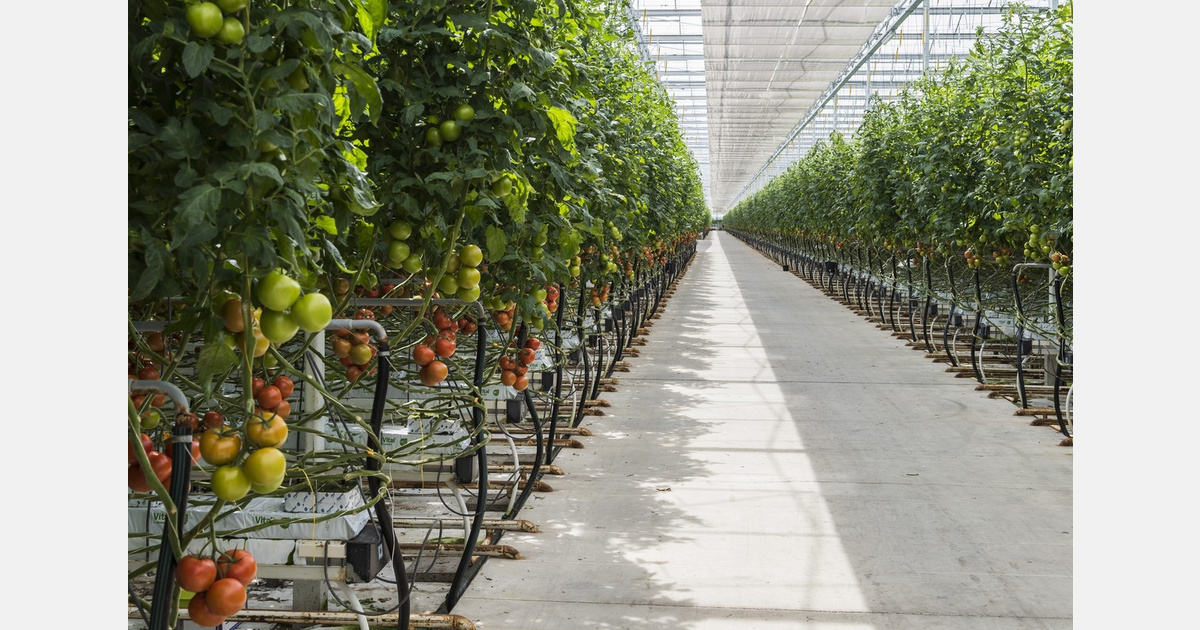
UAE researchers develop plant-waste gel that cuts irrigation water use by 30%
UAE-based researchers have successfully engineered a novel gel derived from plant waste, demonstrating the potential to reduce agricultural irrigation water consumption by thirty per cent.
The story
in brief.
What happened, who it affects, and why it landed on our intelligence desk — in plain English, sixty seconds or less.
UAE-based researchers have successfully engineered a novel gel derived from plant waste, demonstrating the potential to reduce agricultural irrigation water consumption by thirty per cent. This development addresses critical resource scarcity challenges in arid regions, offering a sustainable alternative to conventional farming methods. The innovation highlights the growing intersection of material science and agricultural efficiency, presenting a scalable solution for water conservation. For professionals monitoring global sustainability trends, this breakthrough signifies a tangible advancement in circular economy applications, transforming agricultural by-products into high-value functional materials that support resilient food systems under climate stress.
Indicative index of skill mentions in professional job postings for the field this story moves (2019 = 1)
What this means
for your career.
Every headline redistributes opportunity. Here is who this one rewards — and how to be on the right side of it.
This breakthrough signals a sharp rise in demand for expertise at the intersection of agricultural science and sustainable material engineering. You must now prioritise skills in agri-tech innovation and circular economy strategies to remain competitive. Professionals in supply chain management should monitor how such inputs alter sourcing dynamics, while those in sustainability roles must understand the technical viability of bio-based solutions. A smart professional would immediately upskill in sustainability management and engineering principles to lead projects adopting these technologies. Focus on understanding regulatory frameworks for new agricultural inputs and the economic models supporting water-saving innovations. By integrating these insights, you position yourself to drive strategic decisions in sectors facing acute resource constraints, ensuring your career remains future-proof against environmental and operational shifts.
For this story, the fields that convert it into pay are Sustainability management, Engineering, Supply Chain and Innovation — exactly the programmes matched below. The chart shows the indicative salary uplift certified professionals report in each of those fields; every one of them is a click away, from £79, finishing in as few as 20 days.
Indicative ranges from published continuing-education salary studies, by field — each field is a recommended course below
Enrol in these
to benefit.
These programmes position you for exactly this shift — online, self-paced, and finishing with a verifiable certificate you can share the day you pass.
 Best match
Certificate in Sustainability management
 Recommended
Certificate in Engineering
Recommended
Certificate in Supply Chain
 Recommended
Certificate in Innovation
Launch pricing shown against standard certificate value. The fee you see today is the fee you lock in.
This briefing is based on reporting by Hortidaily on 20 Oct, 12:09. Read the original coverage →
Read the news. Then outrun it.
Every OnlineUni programme is online, self-paced and from £79 — so a headline today can be your credential this month.