
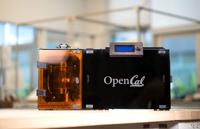
UC Berkeley researchers release 3D printing technology for public use
Researchers at the University of California, Berkeley have released novel three-dimensional printing technology for public utilisation.
The story
in brief.
What happened, who it affects, and why it landed on our intelligence desk — in plain English, sixty seconds or less.
Researchers at the University of California, Berkeley have released novel three-dimensional printing technology for public utilisation. This development grants broader access to advanced manufacturing capabilities, additive manufacturing techniques previously restricted to academic or high-security environments. The initiative aims to accelerate innovation across diverse sectors by democratising access to sophisticated hardware and software protocols. Professionals should note this shift as it lowers barriers to entry for rapid prototyping and custom fabrication. The release signifies a move towards open-source engineering solutions, potentially reshaping how industries approach product development, supply chain logistics, and on-demand manufacturing processes in the coming years.
Indicative index of skill mentions in professional job postings for the field this story moves (2019 = 1)
What this means
for your career.
Every headline redistributes opportunity. Here is who this one rewards — and how to be on the right side of it.
This development significantly elevates the value of practical design and manufacturing skills. You must now consider how additive manufacturing integrates into your existing workflow. Engineers and product designers should prioritise learning CAD software and material science specific to 3D printing. Project managers need to understand how rapid prototyping alters development timelines and risk assessment. If you lead innovation, explore how this technology can reduce inventory costs or enable custom client solutions. Smart professionals will immediately audit their current tools, seeking training in digital fabrication or industrial design. Do not ignore this shift; instead, position yourself as an early adopter who can bridge the gap between digital design and physical production, thereby increasing your strategic relevance within your organisation.
For this story, the fields that convert it into pay are Engineering, Innovation, Supply Chain and Project Management — exactly the programmes matched below. The chart shows the indicative salary uplift certified professionals report in each of those fields; every one of them is a click away, from £79, finishing in as few as 20 days.
Indicative ranges from published continuing-education salary studies, by field — each field is a recommended course below
Enrol in these
to benefit.
These programmes position you for exactly this shift — online, self-paced, and finishing with a verifiable certificate you can share the day you pass.
 Best match
Certificate in Engineering
 Recommended
Certificate in Innovation
 Recommended
Certificate in Supply Chain
 Recommended
Certificate in Project Management
Launch pricing shown against standard certificate value. The fee you see today is the fee you lock in.
This briefing is based on reporting by Daily Cal on 23 Oct, 13:00. Read the original coverage →
Read the news. Then outrun it.
Every OnlineUni programme is online, self-paced and from £79 — so a headline today can be your credential this month.