
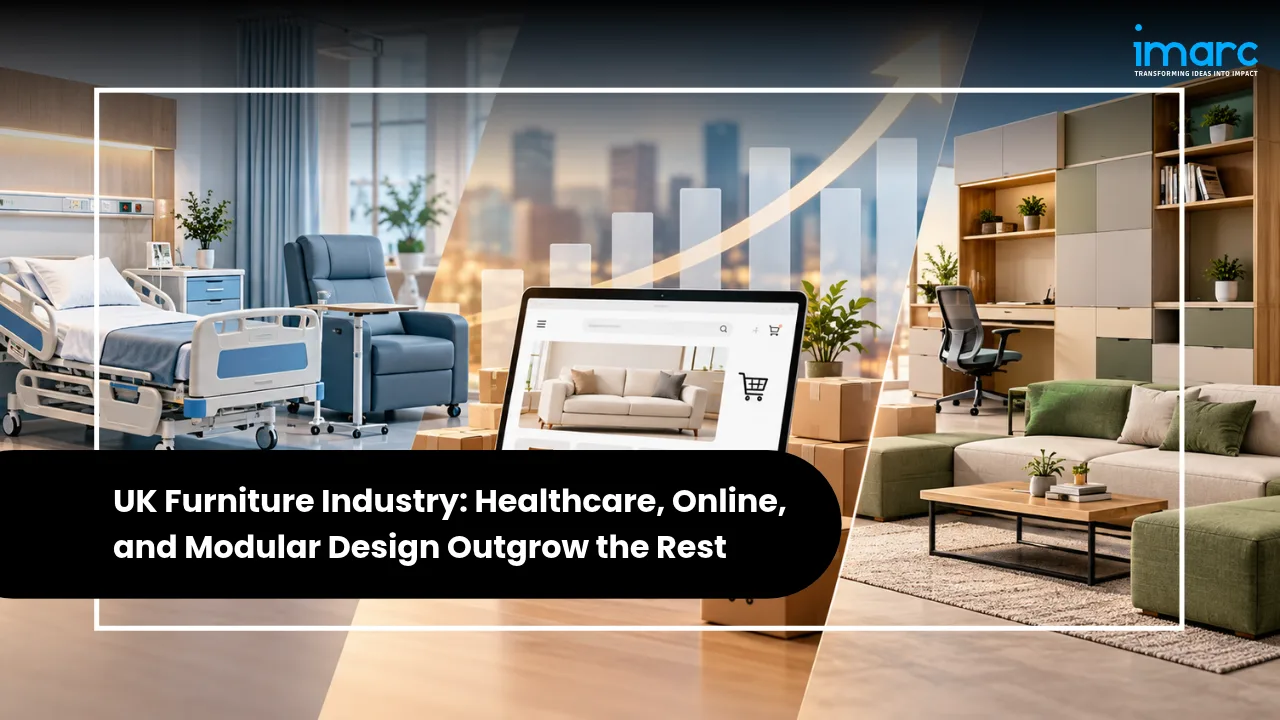
UK Furniture Industry: Healthcare, Online, and Modular Design Outgrow the Rest
Recent analysis by IMARC Group indicates that the UK furniture industry is undergoing significant structural shifts.
The story
in brief.
What happened, who it affects, and why it landed on our intelligence desk — in plain English, sixty seconds or less.
Recent analysis by IMARC Group indicates that the UK furniture industry is undergoing significant structural shifts. Growth is increasingly concentrates within healthcare-specific furnishings, online retail channels, and modular design sectors. These three areas are outpacing traditional manufacturing segments. The report highlights a move towards specialised, flexible, and digitally integrated solutions. Professionals should note this divergence, as it signals a changing demand landscape for skills related to digital commerce, adaptive product design, and specialised sector knowledge. The data suggests a clear departure from conventional growth models towards more targeted, high-value niches within the broader furniture market.
Indicative index of skill mentions in professional job postings for the field this story moves (2019 = 1)
What this means
for your career.
Every headline redistributes opportunity. Here is who this one rewards — and how to be on the right side of it.
This shift demands immediate attention from professionals in retail, design, and healthcare supply chains. You should prioritise skills in digital commerce and modular product development. If you work in traditional furniture manufacturing, pivot towards healthcare-specific solutions or e-commerce integration. Focus on understanding customer data analytics to optimise online sales. For designers, master parametric tools that enable rapid modular configuration. Healthcare professionals should explore furniture’s role in patient outcomes. Smart moves include upskilling in digital marketing for niche audiences or studying healthcare facility standards. You must demonstrate adaptability. Seek roles bridging digital platforms with physical product design. This is not just a trend; it represents a fundamental realignment of industry value. Position yourself at the intersection of technology, health, and flexible design to remain competitive.
For this story, the fields that convert it into pay are AI in E-Commerce, Healthcare Management, Engineering and Digital Marketing — exactly the programmes matched below. The chart shows the indicative salary uplift certified professionals report in each of those fields; every one of them is a click away, from £79, finishing in as few as 20 days.
Indicative ranges from published continuing-education salary studies, by field — each field is a recommended course below
Enrol in these
to benefit.
These programmes position you for exactly this shift — online, self-paced, and finishing with a verifiable certificate you can share the day you pass.
 Best match
Certificate in AI in E-Commerce
 Recommended
Certificate in Healthcare Management
 Recommended
Certificate in Engineering
 Recommended
Certificate in Digital Marketing
Launch pricing shown against standard certificate value. The fee you see today is the fee you lock in.
This briefing is based on reporting by IMARC Group on 21 Oct, 10:36. Read the original coverage →
Read the news. Then outrun it.
Every OnlineUni programme is online, self-paced and from £79 — so a headline today can be your credential this month.