
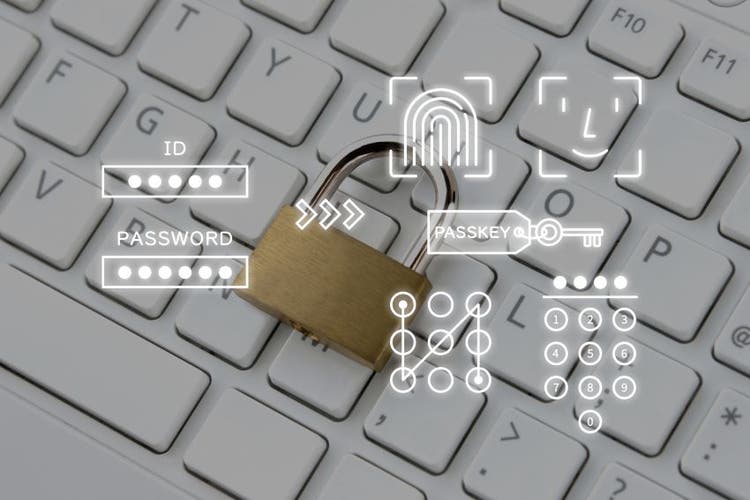
UK government expands passkeys in bid to replace insecure passwords
The UK government has announced a significant expansion of passkey technology, aiming to replace traditional passwords with more secure authentication methods.
The story
in brief.
What happened, who it affects, and why it landed on our intelligence desk — in plain English, sixty seconds or less.
The UK government has announced a significant expansion of passkey technology, aiming to replace traditional passwords with more secure authentication methods. This initiative targets the widespread adoption of passwordless login systems across public and private sectors to enhance digital security. By leveraging biometric data and device-bound credentials, the strategy seeks to reduce phishing risks and credential theft. The move signals a broader regulatory push towards modernising identity verification standards, requiring organisations to update their security infrastructure and user experience designs accordingly.
Indicative index of skill mentions in professional job postings for the field this story moves (2019 = 1)
What this means
for your career.
Every headline redistributes opportunity. Here is who this one rewards — and how to be on the right side of it.
This shift demands immediate attention from IT security professionals and developers. You must prioritise mastering modern authentication protocols and identity management systems. Cyber Security specialists should deepen their expertise in phishing-resistant standards, while software engineers need to integrate passkey APIs seamlessly. Even non-technical roles benefit from understanding these changes, as user experience and compliance requirements evolve. Smart professionals will proactively learn about zero-trust architectures and biometric security trends. Upskilling in these areas ensures you remain relevant as organisations migrate away from legacy password systems. Stay ahead by exploring certifications in digital identity management and adapting your technical toolkit to support passwordless environments effectively.
For this story, the fields that convert it into pay are Cyber Security, Cloud Computing, Compliance And Governance and AI in Cyber Security — exactly the programmes matched below. The chart shows the indicative salary uplift certified professionals report in each of those fields; every one of them is a click away, from £79, finishing in as few as 20 days.
Indicative ranges from published continuing-education salary studies, by field — each field is a recommended course below
Enrol in these
to benefit.
These programmes position you for exactly this shift — online, self-paced, and finishing with a verifiable certificate you can share the day you pass.
 Best match
Certificate in Cyber Security
 Recommended
Certificate in Cloud Computing
 Recommended
Certificate in Compliance And Governance
 Recommended
Certificate in AI in Cyber Security
Launch pricing shown against standard certificate value. The fee you see today is the fee you lock in.
This briefing is based on reporting by Computing UK on 15 Sep, 09:25. Read the original coverage →
Read the news. Then outrun it.
Every OnlineUni programme is online, self-paced and from £79 — so a headline today can be your credential this month.