
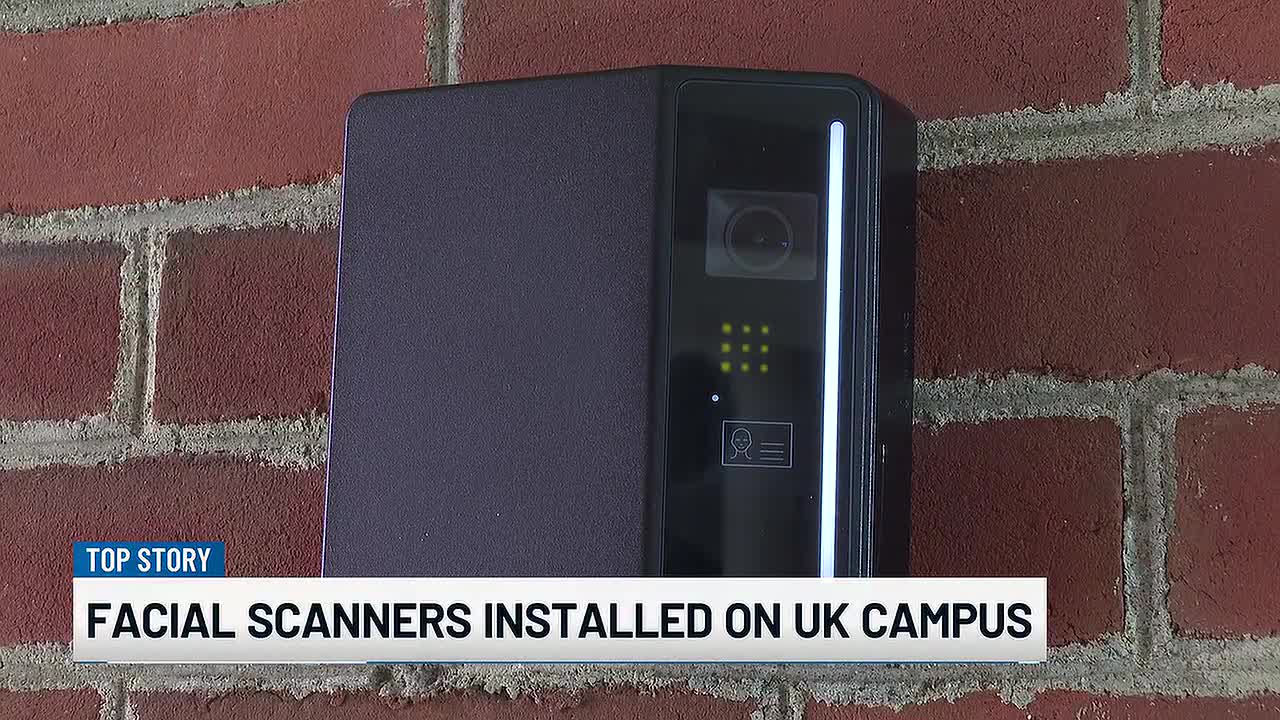
UK installs AI facial scanning technology at residence halls
Recent reports indicate the installation of AI facial scanning technology within UK university residence halls.
The story
in brief.
What happened, who it affects, and why it landed on our intelligence desk — in plain English, sixty seconds or less.
Recent reports indicate the installation of AI facial scanning technology within UK university residence halls. This development marks a significant shift in how student housing security and access control are managed. The system utilises advanced biometric data to monitor entry and movement, raising immediate questions regarding privacy, data protection, and the ethical implications of surveillance in educational environments. For professionals, this highlights the rapid integration of artificial intelligence into physical infrastructure and daily institutional operations. It underscores the growing normalisation of biometric authentication in sectors previously reliant on traditional keycard or manual verification methods, signalling a broader trend towards automated, data-driven security protocols across various industries.
Indicative index of skill mentions in professional job postings for the field this story moves (2019 = 1)
What this means
for your career.
Every headline redistributes opportunity. Here is who this one rewards — and how to be on the right side of it.
This development signals that biometric security and AI-driven surveillance are no longer niche applications but mainstream infrastructure. As a professional, you must anticipate similar deployments in corporate offices, retail spaces, and public transport. Skills in data privacy compliance and ethical AI governance are rapidly rising in value. You should pay close attention to emerging regulations surrounding biometric data, such as GDPR amendments. A smart next step is to upskill in Cyber Security and Compliance And Governance. Understand the technical vulnerabilities of facial recognition systems and the legal frameworks governing their use. By mastering these areas, you position yourself as a critical advisor who can balance technological efficiency with regulatory adherence, ensuring your organisation avoids costly breaches and reputational damage.
For this story, the fields that convert it into pay are Cyber Security, Compliance And Governance, Artificial Intelligence and Data Science — exactly the programmes matched below. The chart shows the indicative salary uplift certified professionals report in each of those fields; every one of them is a click away, from £79, finishing in as few as 20 days.
Indicative ranges from published continuing-education salary studies, by field — each field is a recommended course below
Enrol in these
to benefit.
These programmes position you for exactly this shift — online, self-paced, and finishing with a verifiable certificate you can share the day you pass.
 Best match
Certificate in Cyber Security
 Recommended
Certificate in Compliance And Governance
 Recommended
Certificate in Artificial Intelligence
 Recommended
Certificate in Data Science
Launch pricing shown against standard certificate value. The fee you see today is the fee you lock in.
This briefing is based on reporting by KFDA | NewsChannel 10 | Amarillo Texas on 19 Sep, 23:15. Read the original coverage →
Read the news. Then outrun it.
Every OnlineUni programme is online, self-paced and from £79 — so a headline today can be your credential this month.