
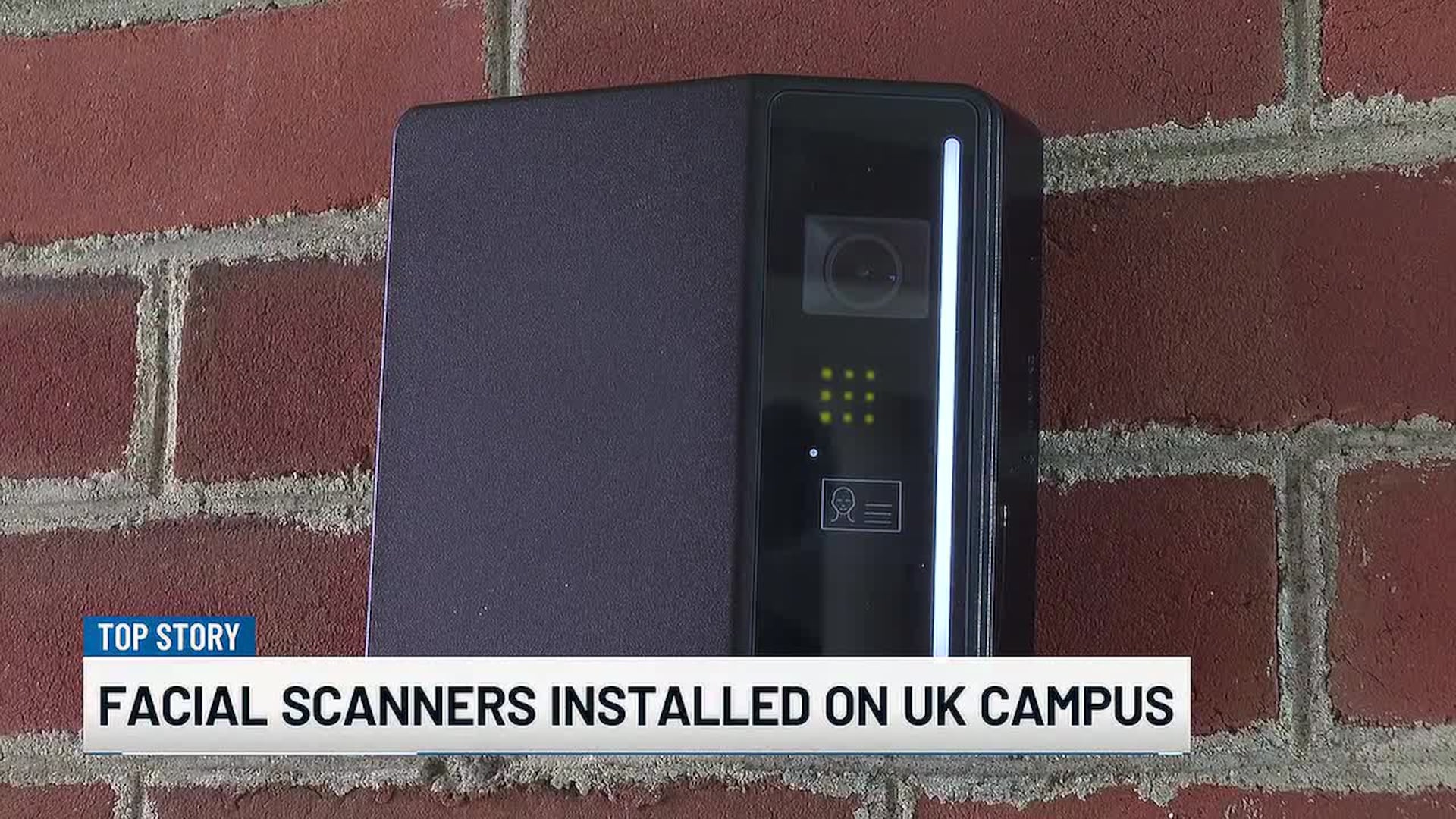
UK installs AI facial scanning technology at residence halls
University residence halls in the United Kingdom are implementing artificial intelligence facial scanning technology to enhance security and manage access control.
The story
in brief.
What happened, who it affects, and why it landed on our intelligence desk — in plain English, sixty seconds or less.
University residence halls in the United Kingdom are implementing artificial intelligence facial scanning technology to enhance security and manage access control. This initiative represents a significant shift in campus surveillance, replacing traditional keycard systems with biometric verification. The deployment raises immediate questions regarding data privacy, student consent, and the ethical implications of continuous monitoring in living spaces. As educational institutions increasingly adopt such advanced identification methods, the move signals a broader trend towards integrating sophisticated AI-driven security measures within private and semi-private environments, fundamentally altering how personal identity is verified and protected.
Indicative index of skill mentions in professional job postings for the field this story moves (2019 = 1)
What this means
for your career.
Every headline redistributes opportunity. Here is who this one rewards — and how to be on the right side of it.
This development underscores the critical importance of understanding the intersection between technology, ethics, and regulatory compliance. As organisations adopt biometric systems, professionals who can navigate the complex legal and ethical landscape will become indispensable. You must pay close attention to data protection regulations and privacy frameworks governing biometric data. A smart professional would immediately upskill in compliance and governance to advise on risk mitigation. Furthermore, expertise in cyber security becomes vital to protect sensitive biometric databases from breaches. By positioning yourself as an expert in these areas, you ensure your career remains resilient against technological shifts while helping your organisation implement AI responsibly and legally.
For this story, the fields that convert it into pay are Cyber Security, Compliance And Governance, AI Strategy and Law — exactly the programmes matched below. The chart shows the indicative salary uplift certified professionals report in each of those fields; every one of them is a click away, from £79, finishing in as few as 20 days.
Indicative ranges from published continuing-education salary studies, by field — each field is a recommended course below
Enrol in these
to benefit.
These programmes position you for exactly this shift — online, self-paced, and finishing with a verifiable certificate you can share the day you pass.
 Best match
Certificate in Cyber Security
 Recommended
Certificate in Compliance And Governance
 Recommended
Certificate in AI Strategy
 Recommended
Certificate in Law
Launch pricing shown against standard certificate value. The fee you see today is the fee you lock in.
This briefing is based on reporting by WLBT on 19 Sep, 23:15. Read the original coverage →
Read the news. Then outrun it.
Every OnlineUni programme is online, self-paced and from £79 — so a headline today can be your credential this month.