
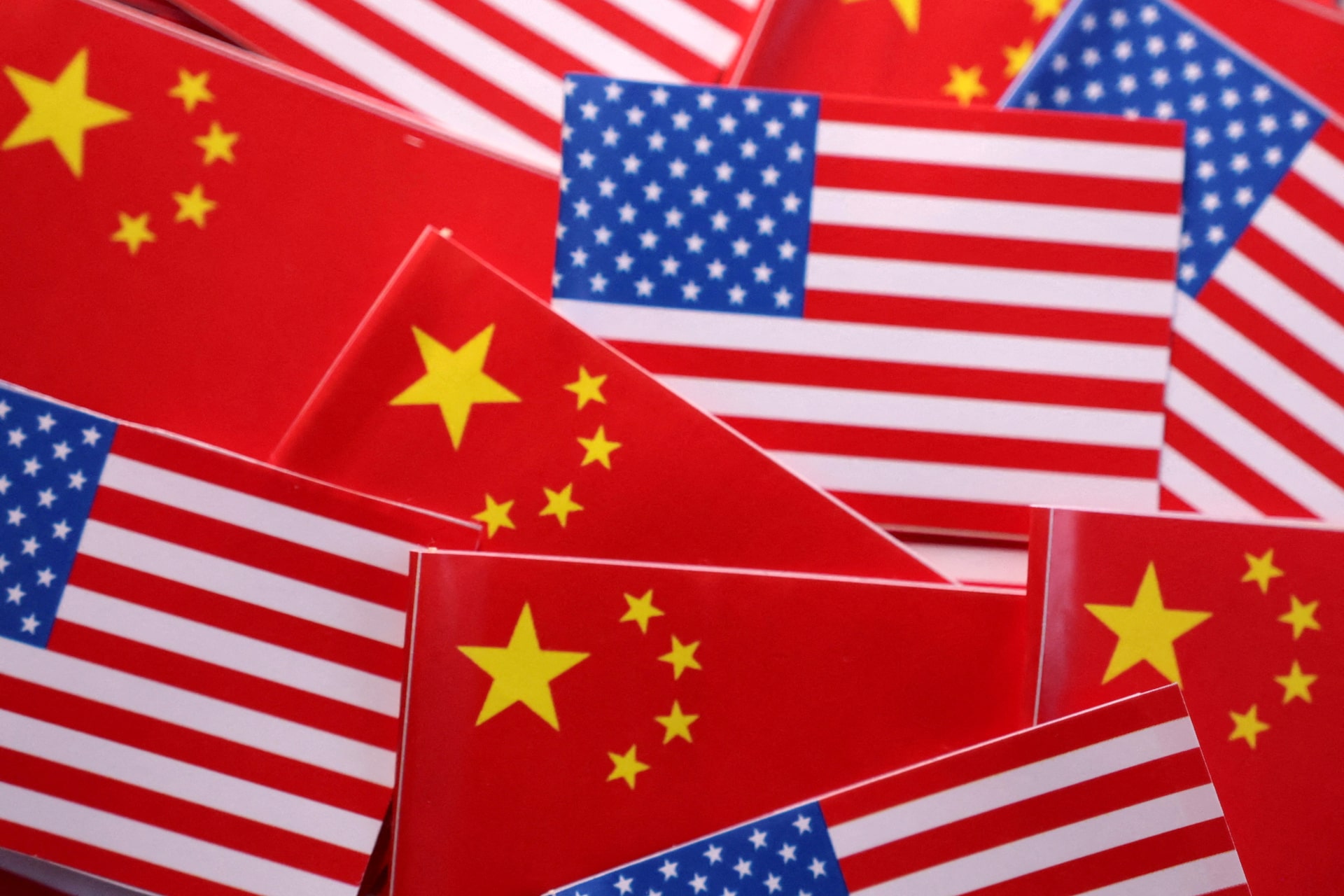
US accuses Chinese AI firms of 'industrial-scale' theft of AI technology
The United States has formally accused several Chinese artificial intelligence companies of engaging in industrial-scale theft of proprietary technology.
The story
in brief.
What happened, who it affects, and why it landed on our intelligence desk — in plain English, sixty seconds or less.
The United States has formally accused several Chinese artificial intelligence companies of engaging in industrial-scale theft of proprietary technology. According to reports from Reuters, these allegations highlight escalating geopolitical tensions surrounding intellectual property rights in the AI sector. The accusations suggest systematic efforts to acquire advanced algorithms and data models without permission. This development underscores the growing fragility of global tech supply chains and the increasing regulatory scrutiny faced by multinational technology firms. Professionals must now navigate a landscape where national security concerns increasingly intersect with commercial innovation and cross-border collaboration.
Indicative index of skill mentions in professional job postings for the field this story moves (2019 = 1)
What this means
for your career.
Every headline redistributes opportunity. Here is who this one rewards — and how to be on the right side of it.
This geopolitical friction elevates the strategic value of compliance and intellectual property protection within your career. You must prioritise understanding international trade regulations and data sovereignty laws. Skills in risk management and legal compliance become critical differentiators for senior roles. Focus on mastering frameworks that ensure ethical AI development and robust cybersecurity protocols. If you operate in tech or consultancy, deepen your knowledge of export controls and cross-border data transfer restrictions. Proactively update your professional network to include legal and policy experts. Develop the ability to advise stakeholders on mitigating geopolitical risks in technology investments. This shift rewards professionals who can bridge technical expertise with regulatory foresight, ensuring your organisation remains resilient against international sanctions and legal challenges.
For this story, the fields that convert it into pay are Cyber Security, Law, Compliance And Governance and Risk Management Strategies — exactly the programmes matched below. The chart shows the indicative salary uplift certified professionals report in each of those fields; every one of them is a click away, from £79, finishing in as few as 20 days.
Indicative ranges from published continuing-education salary studies, by field — each field is a recommended course below
Enrol in these
to benefit.
These programmes position you for exactly this shift — online, self-paced, and finishing with a verifiable certificate you can share the day you pass.
 Best match
Certificate in Cyber Security
 Recommended
Certificate in Law
 Recommended
Certificate in Compliance And Governance
 Recommended
Certificate in Risk Management Strategies
Launch pricing shown against standard certificate value. The fee you see today is the fee you lock in.
This briefing is based on reporting by Reuters on 8 Sep, 17:49. Read the original coverage →
Read the news. Then outrun it.
Every OnlineUni programme is online, self-paced and from £79 — so a headline today can be your credential this month.