
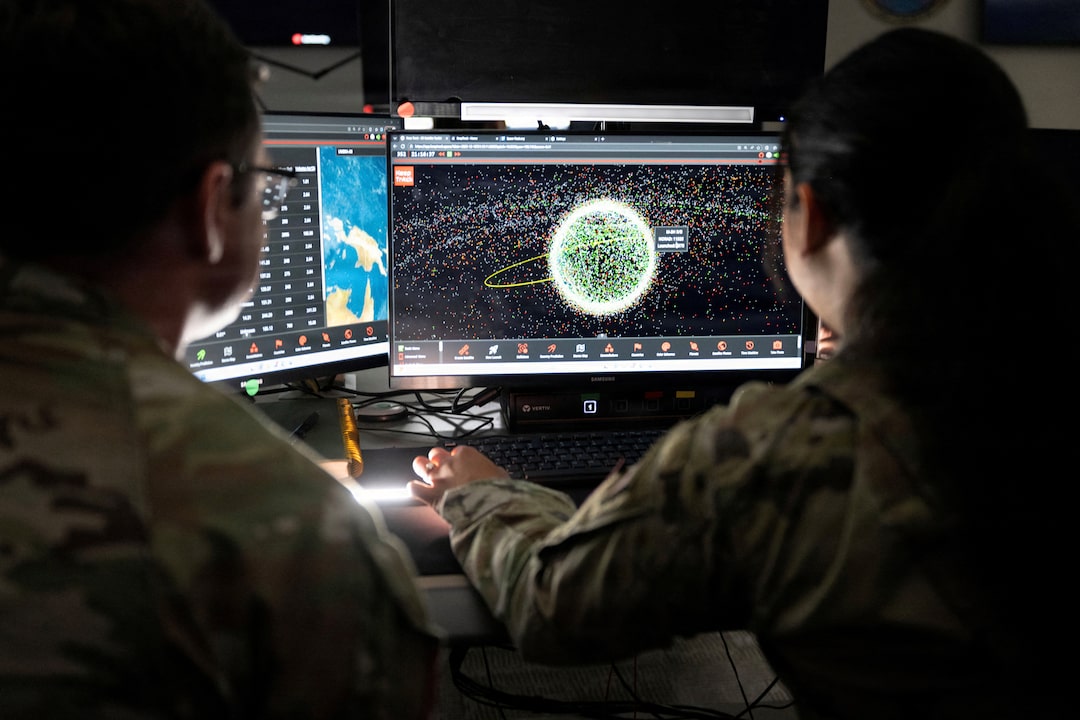
US admission of orbital weapons seen as landmark moment in race with China, Russia
The United States has officially acknowledged the development of orbital weapons, marking a significant shift in its strategic posture.
The story
in brief.
What happened, who it affects, and why it landed on our intelligence desk — in plain English, sixty seconds or less.
The United States has officially acknowledged the development of orbital weapons, marking a significant shift in its strategic posture. This admission is widely interpreted as a pivotal moment in the ongoing geopolitical competition with China and Russia. The move signals a potential escalation in military technology races, particularly in space domains. For professionals, this reflects a broader trend of integrating advanced defence capabilities into national security frameworks. The development underscores the increasing militarisation of outer space and the intensifying rivalry among global superpowers. It highlights how technological advancements in aerospace and defence are becoming central to international relations and strategic planning in the contemporary geopolitical landscape.
Indicative index of skill mentions in professional job postings for the field this story moves (2019 = 1)
What this means
for your career.
Every headline redistributes opportunity. Here is who this one rewards — and how to be on the right side of it.
This development signals a critical shift in global security priorities, elevating the strategic importance of space and defence sectors. You must recognise that expertise in orbital mechanics, aerospace engineering, and international security law is now more valuable than ever. Professionals in government, defence contracting, and strategic consulting should pay close attention to emerging regulations and technological standards. To stay ahead, you should deepen your knowledge of cyber-physical systems and geopolitical risk analysis. Consider upskilling in areas that bridge technology and policy, such as compliance in defence procurement or strategic risk management. Engaging with these fields positions you to contribute to high-stakes decision-making processes. Proactively seeking certifications in relevant technical or regulatory domains will distinguish you in a market increasingly driven by national security imperatives and technological sovereignty.
For this story, the fields that convert it into pay are Cyber Security, Engineering, Risk Management Strategies and Compliance And Governance — exactly the programmes matched below. The chart shows the indicative salary uplift certified professionals report in each of those fields; every one of them is a click away, from £79, finishing in as few as 20 days.
Indicative ranges from published continuing-education salary studies, by field — each field is a recommended course below
Enrol in these
to benefit.
These programmes position you for exactly this shift — online, self-paced, and finishing with a verifiable certificate you can share the day you pass.
 Best match
Certificate in Cyber Security
 Recommended
Certificate in Engineering
Recommended
Certificate in Risk Management Strategies
 Recommended
Certificate in Compliance And Governance
Launch pricing shown against standard certificate value. The fee you see today is the fee you lock in.
This briefing is based on reporting by reuters.com on 15 Sep, 22:19. Read the original coverage →
Read the news. Then outrun it.
Every OnlineUni programme is online, self-paced and from £79 — so a headline today can be your credential this month.