
What Biometrics Do and Don't Add to Elections
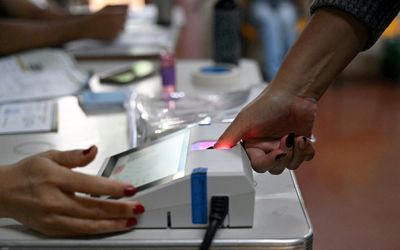
Recent analysis examines the practical utility of biometric technologies offer within electoral systems, highlighting both their potential to streamline voter identification and the significant limitations regarding privacy and accessibility.
The story
in brief.
What happened, who it affects, and why it landed on our intelligence desk — in plain English, sixty seconds or less.
Recent analysis examines the practical utility of biometric technologies offer within electoral systems, highlighting both their potential to streamline voter identification and the significant limitations regarding privacy and accessibility. The report details how fingerprint and facial recognition tools aim to reduce fraud while raising concerns about data security and equitable access. For professionals, this underscores the complex interplay between technological efficiency and civil rights. Understanding these nuances is critical for anyone involved in public sector innovation, as the debate shifts from theoretical possibility to real-world implementation challenges and regulatory scrutiny.
Indicative index of skill mentions in professional job postings for the field this story moves (2019 = 1)
What this means
for your career.
Every headline redistributes opportunity. Here is who this one rewards — and how to be on the right side of it.
This development signals a critical need for expertise in balancing technological innovation with ethical governance. Professionals in public administration and technology must now demonstrate proficiency in assessing biometric systems for both efficacy and compliance. If you operate in government or civic tech, you should prioritise understanding data protection regulations and algorithmic bias. Smart professionals will upskill in privacy-enhancing technologies and ethical AI frameworks to navigate this sensitive landscape. By mastering these areas, you position yourself as a strategic advisor capable of implementing secure, inclusive solutions. This shift elevates the value of roles bridging technical implementation and policy compliance, making interdisciplinary knowledge your most valuable asset in upcoming electoral modernisation projects.
For this story, the fields that convert it into pay are Cyber Security, Public Administration, AI in Government and Compliance And Governance — exactly the programmes matched below. The chart shows the indicative salary uplift certified professionals report in each of those fields; every one of them is a click away, from £79, finishing in as few as 20 days.
Indicative ranges from published continuing-education salary studies, by field — each field is a recommended course below
Enrol in these
to benefit.
These programmes position you for exactly this shift — online, self-paced, and finishing with a verifiable certificate you can share the day you pass.
 Best match
Certificate in Cyber Security
 Recommended
Certificate in Public Administration
 Recommended
Certificate in AI in Government
 Recommended
Certificate in Compliance And Governance
Launch pricing shown against standard certificate value. The fee you see today is the fee you lock in.
This briefing is based on reporting by IEEE Spectrum on 22 Oct, 07:00. Read the original coverage →
Read the news. Then outrun it.
Every OnlineUni programme is online, self-paced and from £79 — so a headline today can be your credential this month.