
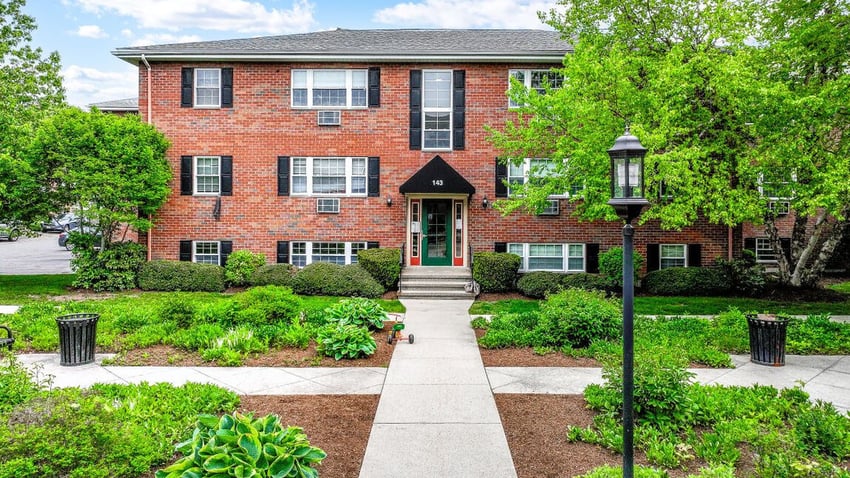
Why Preservation Is No Longer a Niche Investment Strategy
Recent analysis indicates that heritage preservation has evolved from a marginal investment approach into a mainstream financial strategy.
The story
in brief.
What happened, who it affects, and why it landed on our intelligence desk — in plain English, sixty seconds or less.
Recent analysis indicates that heritage preservation has evolved from a marginal investment approach into a mainstream financial strategy. This shift is driven by rising institutional interest and the recognition of long-term asset stability. Professionals in real estate and finance now view preservation not merely as cultural stewardship, but as a viable mechanism for sustainable growth and risk mitigation. The trend reflects broader market changes where historical assets are increasingly valued for their unique characteristics and resilience, prompting a re-evaluation of traditional investment portfolios.
Indicative index of skill mentions in professional job postings for the field this story moves (2019 = 1)
What this means
for your career.
Every headline redistributes opportunity. Here is who this one rewards — and how to be on the right side of it.
This shift means your career trajectory must adapt to a more complex, interdisciplinary landscape. Skills in heritage conservation, sustainable retrofitting, and regulatory compliance are rapidly gaining value. If you work in real estate, finance, or construction, you should immediately upskill in Green Building Standards and Financial Modeling to navigate these projects effectively. Do not ignore this trend; it represents a significant market opportunity. Start by integrating sustainability metrics into your project assessments and seeking certifications in preservation finance. Position yourself as a specialist who can bridge the gap between historical integrity and modern investment returns. This proactive approach will distinguish you in a crowded market and open doors to high-value roles in institutional investment and urban development.
For this story, the fields that convert it into pay are Green Building Standards, Financial Modeling, Sustainability management and Project Management — exactly the programmes matched below. The chart shows the indicative salary uplift certified professionals report in each of those fields; every one of them is a click away, from £79, finishing in as few as 20 days.
Indicative ranges from published continuing-education salary studies, by field — each field is a recommended course below
Enrol in these
to benefit.
These programmes position you for exactly this shift — online, self-paced, and finishing with a verifiable certificate you can share the day you pass.
 Best match
Certificate in Green Building Standards
 Recommended
Certificate in Financial Modeling
Recommended
Certificate in Sustainability management
 Recommended
Certificate in Project Management
Launch pricing shown against standard certificate value. The fee you see today is the fee you lock in.
This briefing is based on reporting by Affordable Housing Finance on 12 Oct, 13:00. Read the original coverage →
Read the news. Then outrun it.
Every OnlineUni programme is online, self-paced and from £79 — so a headline today can be your credential this month.