
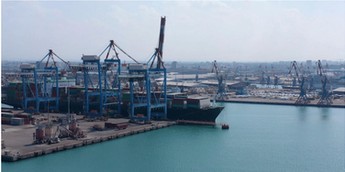
World’s largest economy joins Saudi Arabia, Turkey and Israel in battle for Red Sea influence as it lifts sanctions on Eritrea despite its role in Ethiopia war that killed 600,000
The United States has lifted sanctions on Eritrea, aligning its stance with Saudi Arabia, Turkey, and Israel in the competition for Red Sea influence.
The story
in brief.
What happened, who it affects, and why it landed on our intelligence desk — in plain English, sixty seconds or less.
The United States has lifted sanctions on Eritrea, aligning its stance with Saudi Arabia, Turkey, and Israel in the competition for Red Sea influence. This diplomatic shift occurs despite Eritrea’s documented involvement in the Ethiopian conflict, which resulted in significant casualties. The move signals a complex recalibration of geopolitical alliances, prioritising strategic regional stability over human rights concerns. For professionals, this highlights the volatility of international trade environments and the necessity of understanding how shifting political landscapes directly impact commercial operations and regulatory compliance across East Africa and the Middle East.
Indicative index of skill mentions in professional job postings for the field this story moves (2019 = 1)
What this means
for your career.
Every headline redistributes opportunity. Here is who this one rewards — and how to be on the right side of it.
You must anticipate how geopolitical realignments reshape regional trade routes and regulatory frameworks. Professionals in logistics, international law, and strategic consulting should prioritise skills in risk assessment and cross-cultural negotiation. This development elevates the value of expertise in Middle Eastern and African markets, particularly regarding compliance and supply chain resilience. You should immediately review your understanding of current sanctions regimes and trade agreements affecting the Red Sea corridor. Enhance your analytical capabilities to interpret political signals for business impact. Consider upskilling in crisis management and international regulatory compliance to navigate these volatile environments effectively. Staying informed on diplomatic shifts will allow you to advise stakeholders proactively, turning political uncertainty into strategic opportunity for your organisation.
For this story, the fields that convert it into pay are Supply Chain, Risk Management Strategies, Crisis Management and Compliance And Governance — exactly the programmes matched below. The chart shows the indicative salary uplift certified professionals report in each of those fields; every one of them is a click away, from £79, finishing in as few as 20 days.
Indicative ranges from published continuing-education salary studies, by field — each field is a recommended course below
Enrol in these
to benefit.
These programmes position you for exactly this shift — online, self-paced, and finishing with a verifiable certificate you can share the day you pass.
 Best match
Certificate in Supply Chain
 Recommended
Certificate in Risk Management Strategies
 Recommended
Certificate in Crisis Management
 Recommended
Certificate in Compliance And Governance
Launch pricing shown against standard certificate value. The fee you see today is the fee you lock in.
This briefing is based on reporting by Business Insider Africa on 19 Sep, 11:30. Read the original coverage →
Read the news. Then outrun it.
Every OnlineUni programme is online, self-paced and from £79 — so a headline today can be your credential this month.