
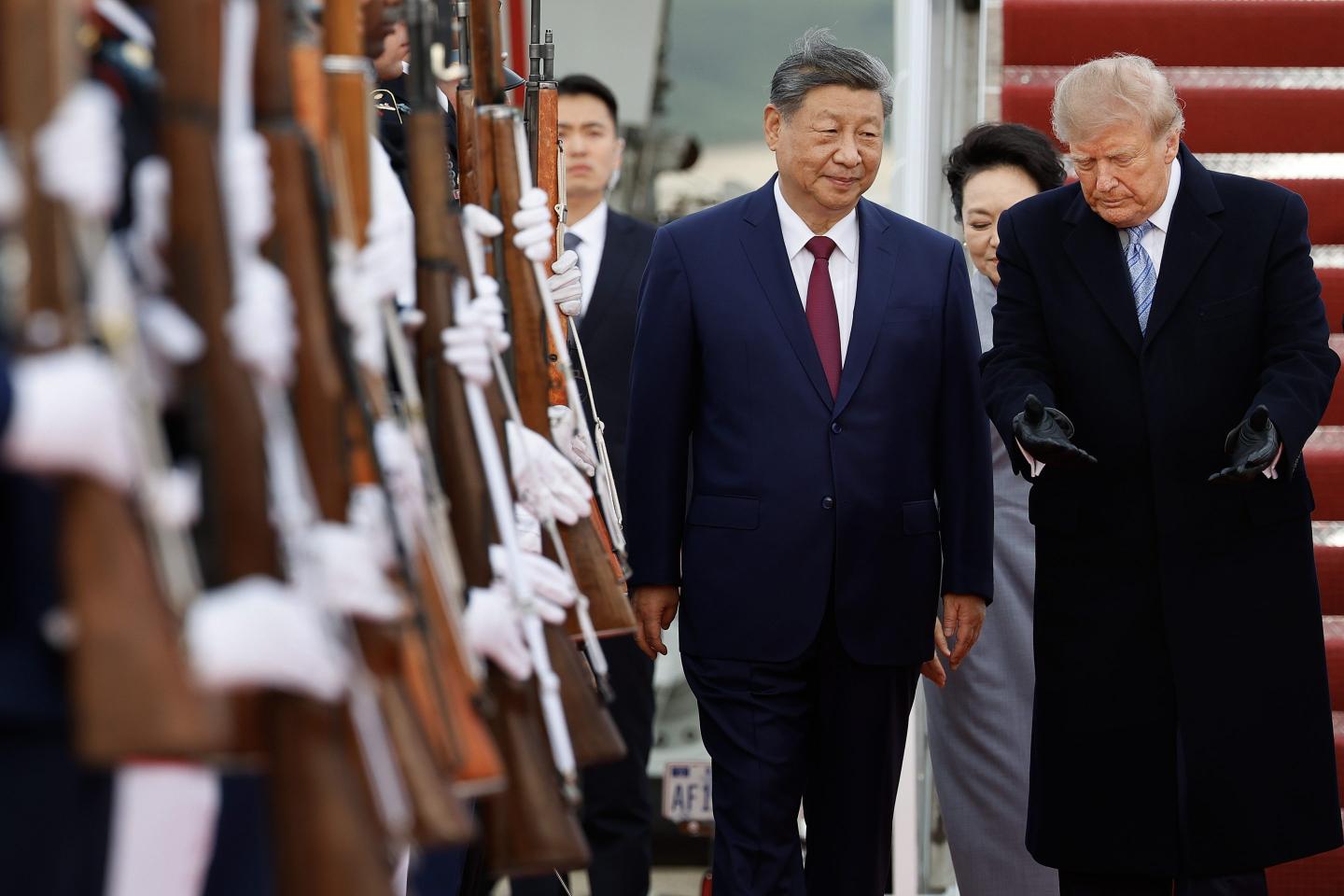
Xi Jinping has made China’s hard-tech rise core to his policy—and U.S. containment is only fueling those plans
Recent reporting indicates that President Xi Jinping has elevated hard technology to a central pillar of China’s national policy agenda.
The story
in brief.
What happened, who it affects, and why it landed on our intelligence desk — in plain English, sixty seconds or less.
Recent reporting indicates that President Xi Jinping has elevated hard technology to a central pillar of China’s national policy agenda. This strategic prioritisation encompasses critical sectors such as semiconductors, advanced manufacturing, and aerospace. Notably, the narrative suggests that efforts by the United States to contain Chinese technological advancement are inadvertently accelerating these domestic ambitions. Rather than stifling progress, external pressure appears to be reinforcing Beijing’s resolve to achieve self-reliance in key industrial technologies. For professionals, this signals a sustained, state-backed investment cycle in engineering and scientific disciplines, reshaping global supply chains and creating distinct opportunities in markets aligned with China’s technological sovereignty goals.
Indicative index of skill mentions in professional job postings for the field this story moves (2019 = 1)
What this means
for your career.
Every headline redistributes opportunity. Here is who this one rewards — and how to be on the right side of it.
This geopolitical shift demands that you reassess your career trajectory, particularly if you operate in technology or international trade. Skills in engineering, supply chain resilience, and cross-border regulatory compliance are becoming increasingly valuable. You should monitor how trade restrictions affect your industry, as businesses will prioritise self-sufficiency and alternative sourcing strategies. To remain competitive, deepen your expertise in hard-tech sectors or adaptability within complex global markets. Consider upskilling in areas like project management for large-scale infrastructure or data science for manufacturing optimisation. Proactively engage with networks focused on Asian markets to understand emerging opportunities. Ignoring these structural changes could leave you vulnerable to market volatility, whereas leveraging them positions you at the forefront of a new industrial era.
For this story, the fields that convert it into pay are Engineering, Supply Chain, Project Management and Data Science — exactly the programmes matched below. The chart shows the indicative salary uplift certified professionals report in each of those fields; every one of them is a click away, from £79, finishing in as few as 20 days.
Indicative ranges from published continuing-education salary studies, by field — each field is a recommended course below
Enrol in these
to benefit.
These programmes position you for exactly this shift — online, self-paced, and finishing with a verifiable certificate you can share the day you pass.
 Best match
Certificate in Engineering
 Recommended
Certificate in Supply Chain
 Recommended
Certificate in Project Management
Recommended
Certificate in Data Science
Launch pricing shown against standard certificate value. The fee you see today is the fee you lock in.
This briefing is based on reporting by Fortune on 24 Sep, 08:41. Read the original coverage →
Read the news. Then outrun it.
Every OnlineUni programme is online, self-paced and from £79 — so a headline today can be your credential this month.